
Anthropic Breaks History: $81.3B IPO Surpasses SpaceX to Become Largest Ever [Updated]
[Latest]
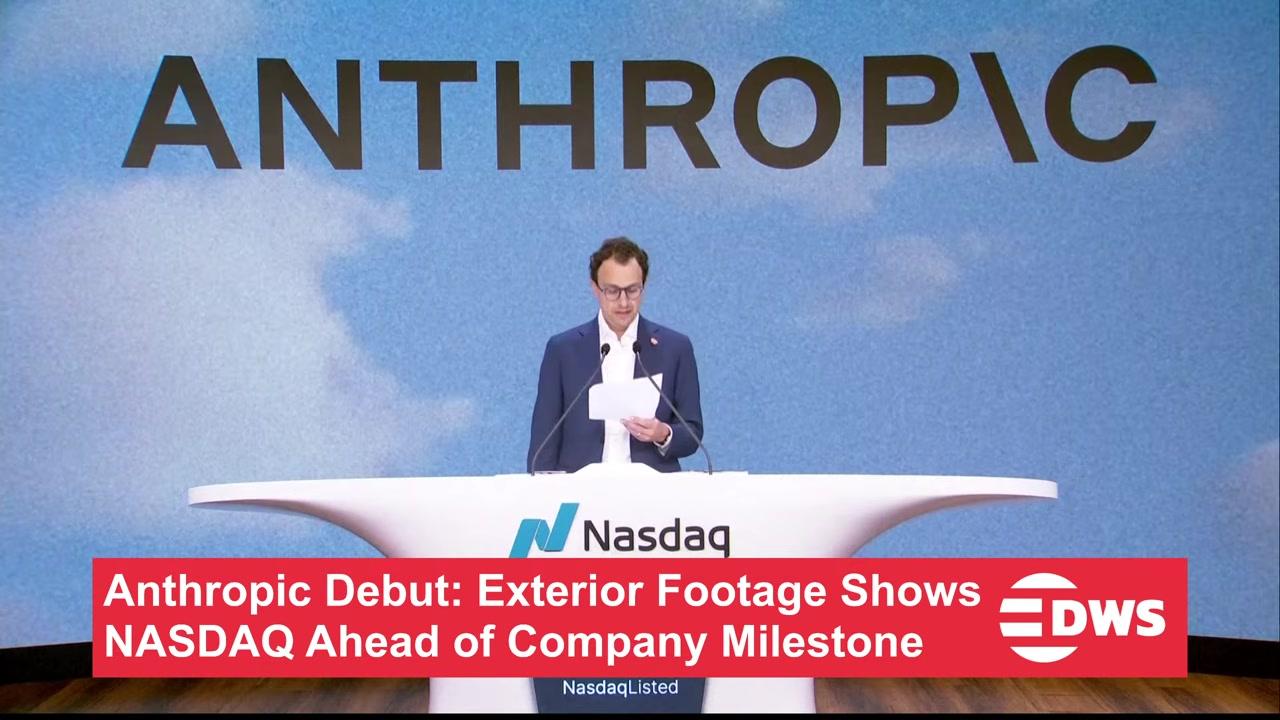
Anthropic gave back much of its opening jump, closing its Nasdaq debut at $97.17 after opening at $111.50. It still ended 17.1% above its $83 IPO price.
Anthropic raised $81.3 billion, surpassing SpaceX’s record, after increasing its IPO to 980 million shares at $83 each. A separate $26 billion private placement brings the total deal to $107.3 billion. Reuters, November 19.
Cover: Artwork from Anthropic’s IPO site.
Claude is about to get a ticker. Anthropic’s November 17 filing says Nasdaq has approved it to list as ANT. The company is offering 825 million shares at a proposed $70 to $78 apiece, and investors expect the first trade on Thursday, November 19. There’s one detail that won’t fit on the ticker tape. The seven founders would keep 50.1% of the general vote. Anthropic’s November 17 SEC filing.
How much money is changing hands?The full public offering would total $57.75 billion to $64.35 billion at the stated range, before any extra shares the underwriters can buy. About 801.4 million shares come from Anthropic. Existing holders are selling the remaining 23.6 million. Only the company’s own shares bring it cash, about $56.1 billion to $62.5 billion before fees.
A separate private placement adds $26 billion at the IPO price if it closes. Google and NVIDIA have each agreed to put in $10 billion. AMD, Broadcom, Micron, Microsoft and TSMC’s investment arm account for the remaining $6 billion. At $78, the public deal and placement together amount to $90.35 billion in gross sales, including the existing holders’ sales. The proposed public range implies a fully diluted valuation of up to about $1.4 trillion. Anthropic’s IPO site.
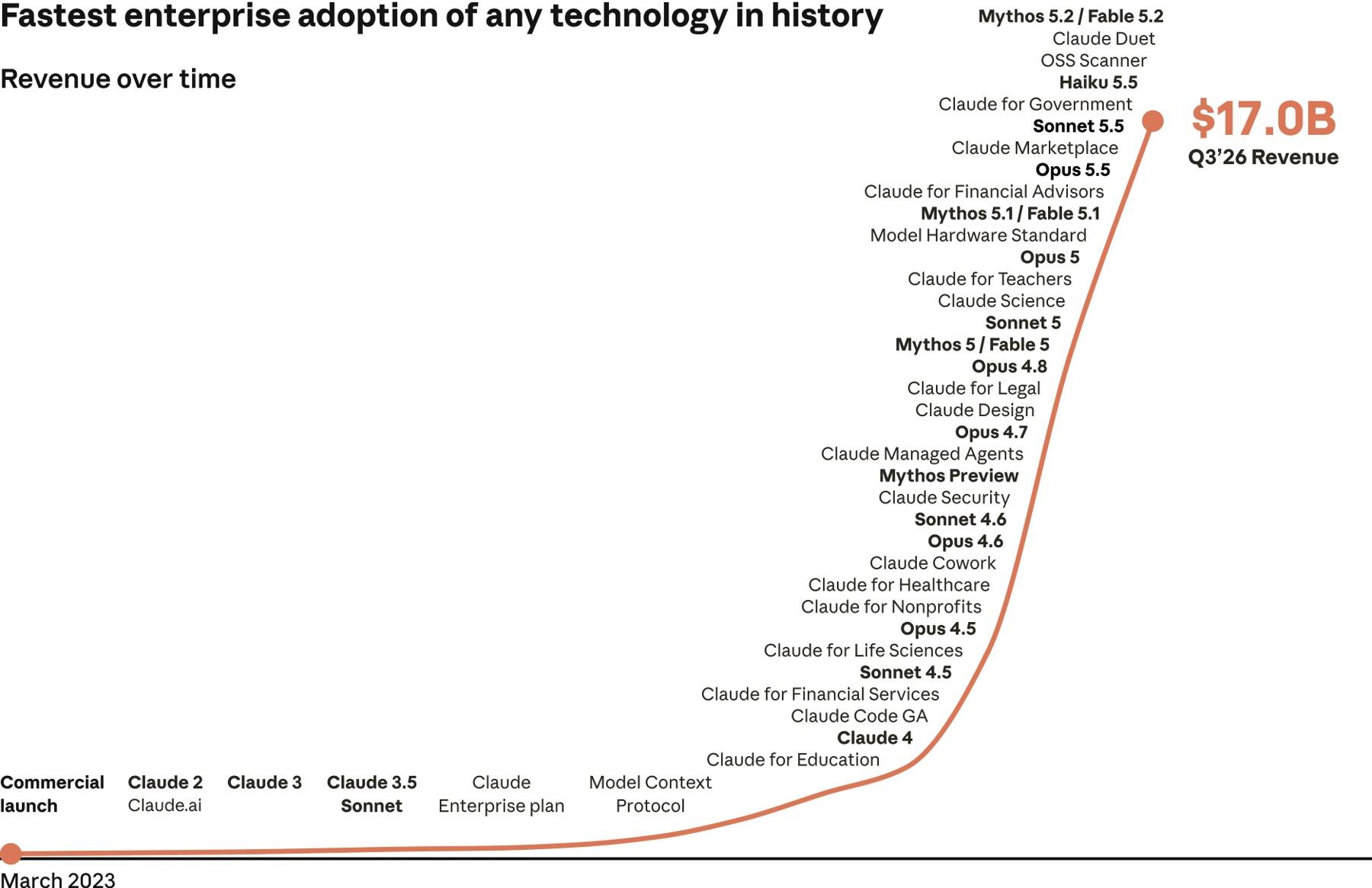
Claude is selling. Compute is expensive.Revenue hit $17 billion in the September quarter, up from $1.4 billion a year earlier. The company still reported a $567 million operating loss. It booked $5 billion in compute costs under short-term commitments that quarter. Anthropic’s adjusted operating income, which excludes specified costs, was $2.5 billion. Both figures tell readers something about the price of keeping up with Claude demand.
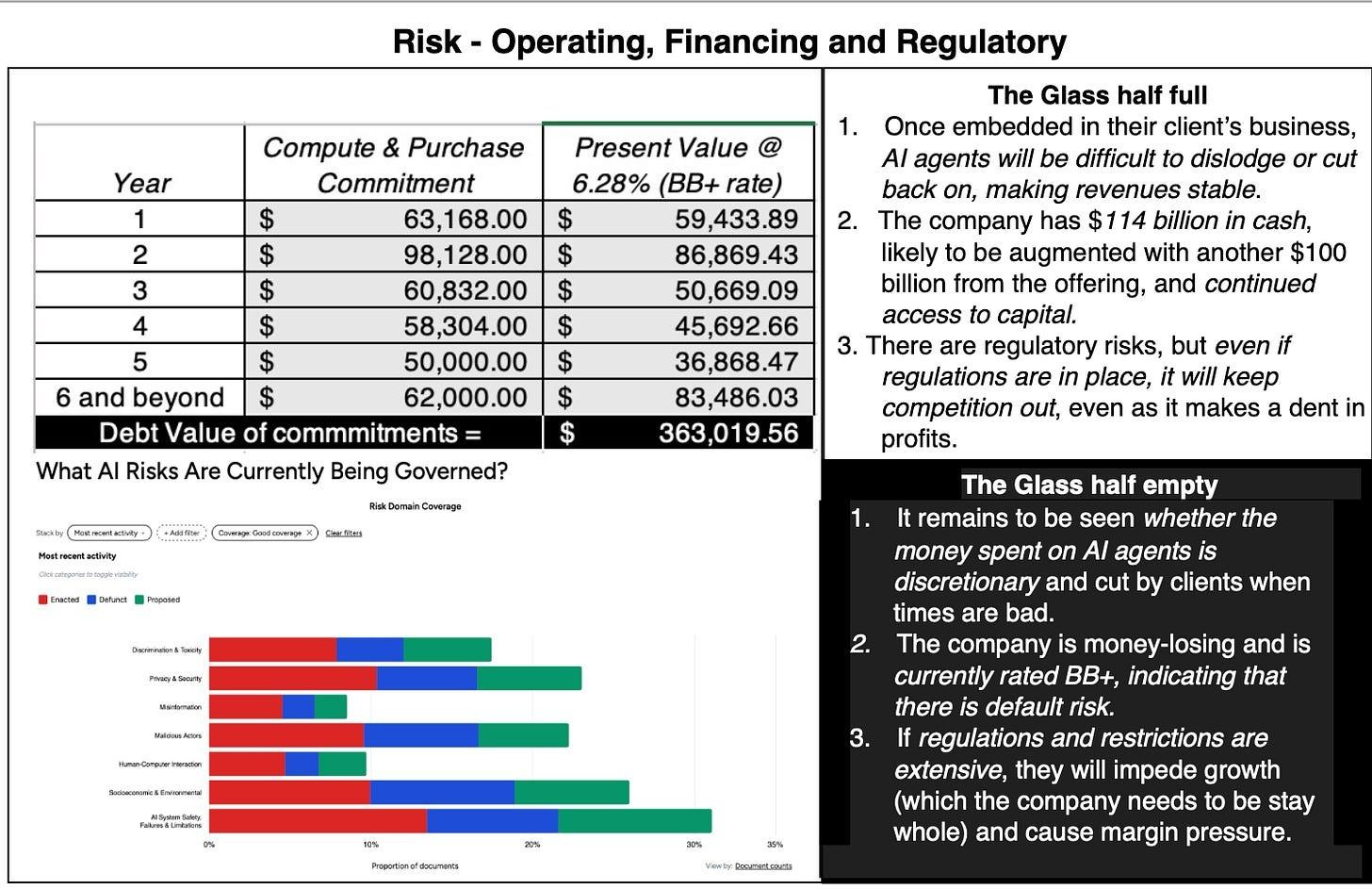
The what-if number is $900.9 billion. That’s the aggregate spend tied to purchase and lease commitments disclosed as of and after September 30, substantially all related to compute and infrastructure. The payments stretch across years. Some contracts require Anthropic to pay even if it has capacity it can’t use. Too little capacity can cost Claude customers. Too much can keep the bills coming after growth slows.
Who gets a say?One publicly traded Class A share carries one vote. A separate founder-controlled share carries 50.1% of general voting power, and the Long-Term Benefit Trust has its own rights to elect directors. Anthropic is a Delaware public benefit corporation. The board is required to balance shareholders’ financial interests with the interests of people materially affected by its conduct and the company’s stated public benefit.
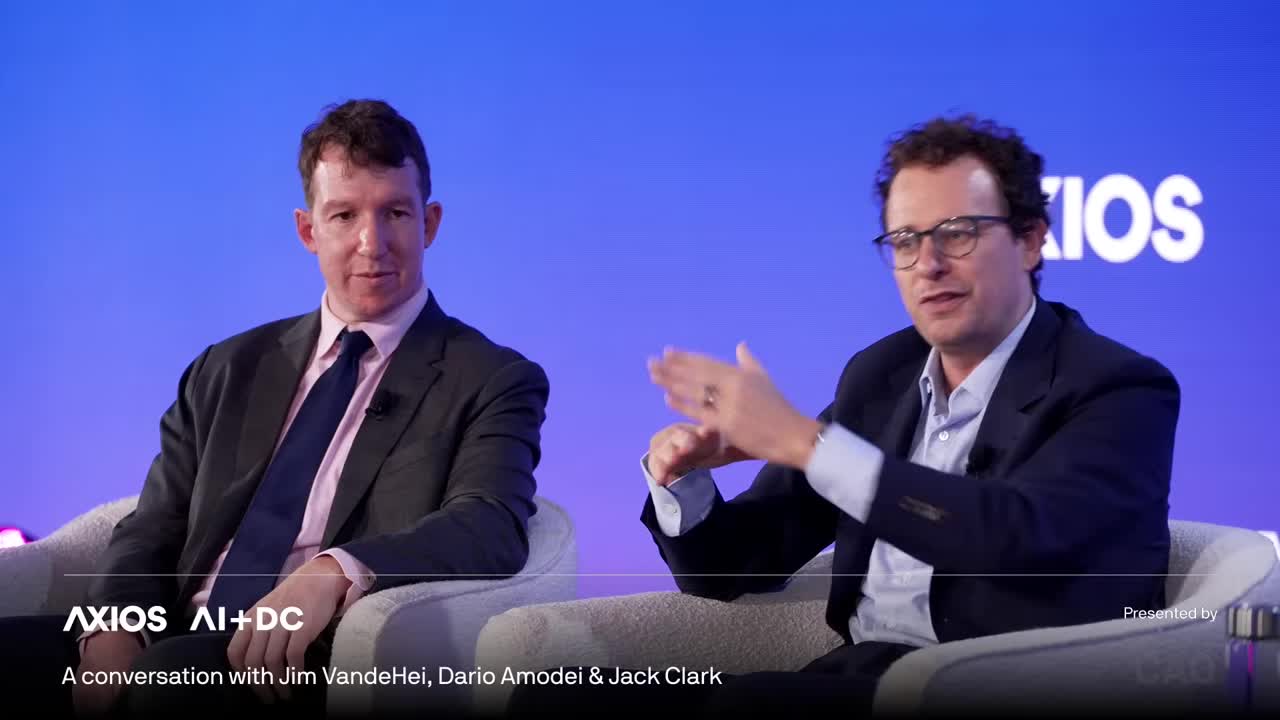
Four perspectives Dario Amodei’s pitch to Jamie Dimon puts a founder’s voice to the numbers. Google’s $10 billion bet on a Gemini rival shows what a competitor gets out of the deal. Aswath Damodaran’s $1.48 trillion model shows how much growth that valuation takes. Morningstar’s $25-to-$188 range of outcomes shows how differently the same business can turn out.The final offer price, the first Nasdaq trade and the first quarterly report as a public company will answer three different questions. How much bankers could sell the shares for. What the wider market would pay. And whether Claude’s growth can keep ahead of the compute bill.




Checking account…
Loading comments…