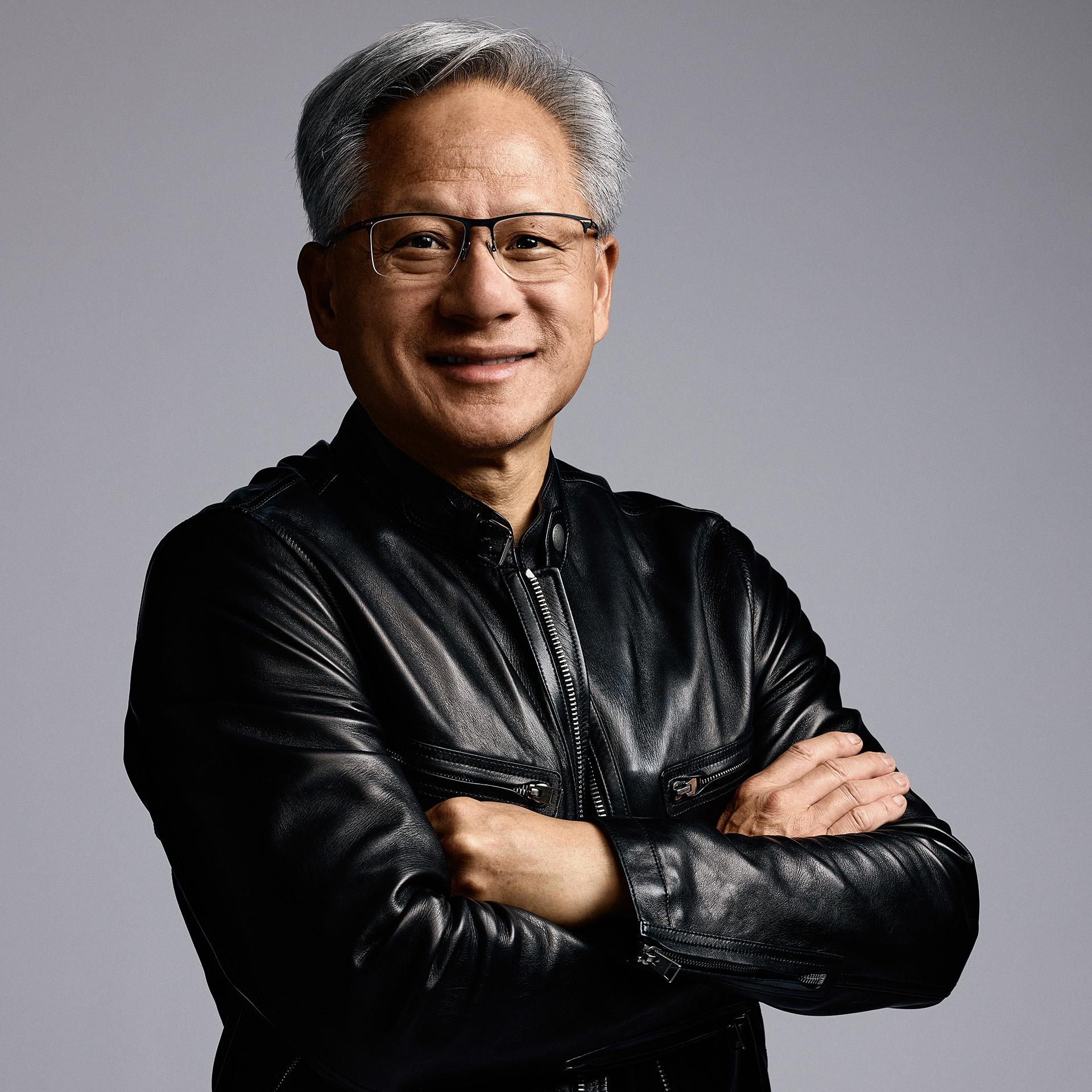
The fall of Jensen Huang and the fight to bring him back
On the night of November 6, Tim Teter went to Jensen Huang’s house in Woodside, California. Nvidia’s general counsel had spent months defending his boss. Now Huang admitted the relationship at the centre of the controversy was an affair, the New York Times reported. [1]
Two days later, Huang sent employees an apology.
“I was unfaithful to my wife,” he wrote. [2]
The message addressed his family, his colleagues and his country. Near the end came another sentence: “I am proud and grateful to be an American.” [2]
His directors stood behind him. On November 8, they said they remained confident in his leadership and had “no reason to believe that either national security or NVIDIA secrets were compromised.” An independent investigation would follow. [3]
On November 11, the board accepted his resignation. The next morning, Nvidia told the world. Huang lost all three positions: president, chief executive and director. Colette Kress, his finance chief, took over temporarily. [4][5]

Donald Trump — official portrait (archival). Photo: The White House.
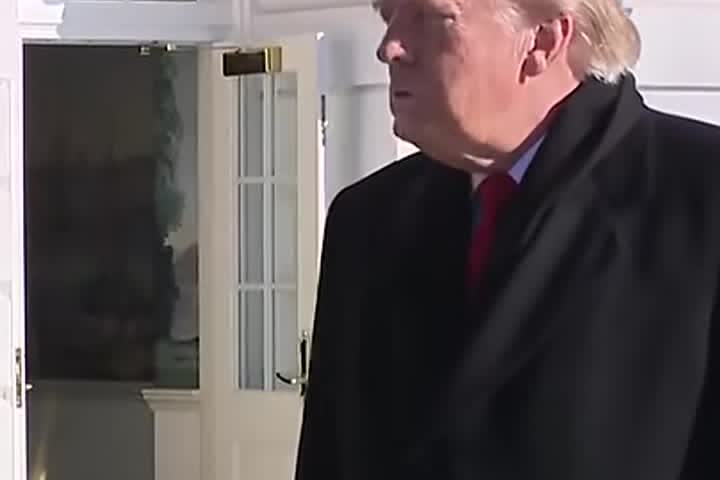
By November 16, President Donald Trump was talking about bringing him back.
“He could return,” Trump told reporters as he left the White House for Asia. “I think he learned a big lesson.” [6]
Eight days separated the apology from the president’s intervention. In between, a marriage scandal had engulfed the company supplying the engines of the AI boom. Congress wanted testimony. Investors wanted their founder. Some Chinese-American entrepreneurs feared a wider backlash. YouTube co-founder Steve Chen would make his support for Huang a public statement about identity.
The struggle now reaches far beyond Huang’s office. It runs through Nvidia’s customers, Washington’s export controls and the billions of dollars committed to building AI data centres. It also runs through a question that American investigators have not publicly settled: who, exactly, was Alice Huang?
Before the apology
Alice Huang, also known as Huang Le, had been chief executive of Megaspeed, a Singapore-based cloud business. She and Jensen Huang share a surname, not a family relationship. Her husband, Kang Wei, had known the Nvidia founder for about a decade and introduced them, according to the Wall Street Journal. [7]
The introduction opened a door into an unusually valuable commercial network. In November 2023, Megaspeed became an Nvidia cloud partner. Its business included renting out GPU capacity in Malaysia. The Journal described Alice and Kang as partners in technology investments, with business connections reaching back years. [7]
The commercial stakes were immediate. A cloud operator needed Nvidia processors to build its business. Nvidia needed operators willing to buy them. Customers then paid to use the computing power. Each transaction brought the technology closer to an end user, sometimes in another country.
By February 2025, Singapore’s police and customs authorities were investigating Megaspeed’s server declarations. The inquiry began independently, Singapore’s government said. [8]
On June 24, American export-control officials conducted a post-shipment check. Alice was present. Singapore subsequently interviewed her and held her passport. On July 7, its police and attorney-general’s office sought American assistance concerning Supermicro. Further approaches to the Justice Department and FBI followed in September. [8]
That month, the Times was asking Nvidia about Megaspeed and Huang’s closeness to Alice. His daughter Madison, who served as his chief of staff, pressed the communications team to fight back. Crisis adviser Risa Heller became involved, the newspaper reported. [1]
Nvidia’s lawyers and communications officers were working with their chief executive’s account. Reuters later reported that Huang had described his contact with Alice to Teter and marketing chief Alison Wagonfeld as routine business. Reuters also examined internal messages from October 2026. [9]
The company even discussed suing the Times after its October 9, 2025 article about Megaspeed. No suit followed. The newspaper said it received no legal demand. [9]
Alice remained in Singapore for months. On February 26, 2026, authorities returned her passport. She left that day. Singapore reported insufficient evidence over the declaration offences, but warned her over inaccurate information and barred her re-entry. Megaspeed and six others remained under investigation. This inquiry did not concern espionage, the government said. [8]
Nine months later, those separate threads would be pulled into the same public scandal: a customer relationship, an affair, an export investigation and an intelligence warning.
The warning inside Washington
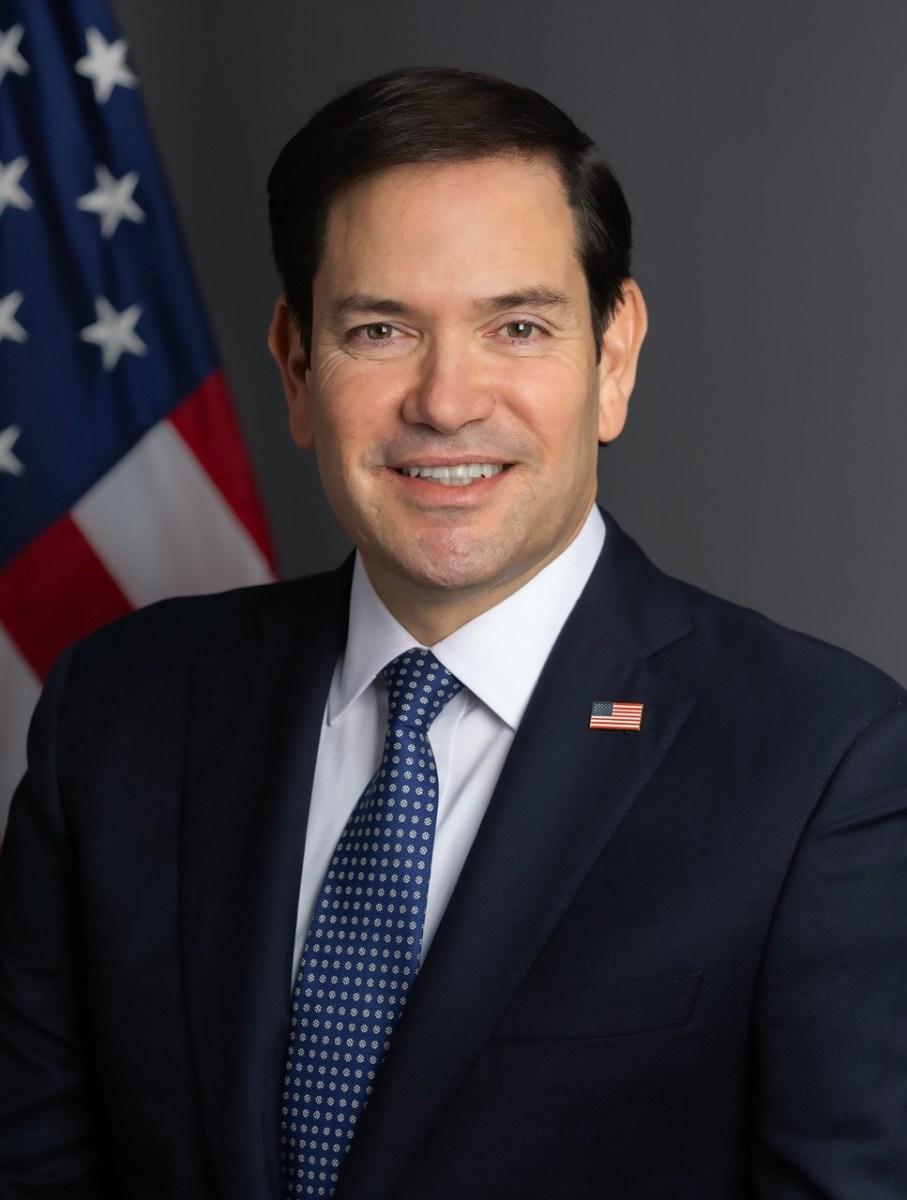
Marco Rubio — official portrait (archival). Photo: The White House.
In the spring, US intelligence intercepted communications involving a Megaspeed executive and an American whose name was initially concealed. Officials requested that the American’s identity be revealed. It was Jensen Huang, CNN reported on November 13. [10]
Marco Rubio, serving as secretary of state and national security adviser, circulated a classified memo to a small group of senior officials. He also briefed Trump aboard Air Force One in May, before Huang joined the president’s party in Alaska for the trip to China, according to CNN. [10]
Huang still went to China with the president.
The warning landed in the middle of a policy fight. Huang argued for keeping Chinese customers connected to American technology. Officials who favoured tighter controls feared Nvidia’s processors would strengthen a strategic rival. The same company sat on both sides of the argument: a commercial champion selling overseas and a supplier of technology Washington wanted to protect.
On November 8, reporters caught up with Rubio at Homestead Air Reserve Base in Florida. Had Huang been excluded from government meetings or briefings?
“I can’t comment on any of that. I just can’t comment because of the nature of it,” Rubio said. [11]
The silence left room for competing accounts. The Washington Post reported that Rubio’s memo used stronger language than the underlying CIA assessment. [12]
CNN described disagreement inside the government over whether Alice had been recruited by China’s Ministry of State Security. Some officials saw a clear counterintelligence risk. Others thought the fixation on the affair was obscuring a more concrete problem: where restricted American chips had gone. [10]
On November 12, Attorney General Todd Blanche said the Justice Department had not concluded that Alice was a Chinese spy. The FBI was investigating, he said. [13]
Beijing rejected the allegation. At her November 12 briefing, foreign ministry spokesperson Mao Ning urged Washington to “stop fabricating the ‘Chinese spy’ narratives as a pretext for imposing technology restrictions.” [14]
On CBS three days later, House Intelligence Democrat Jim Himes said: “I don’t think that we know.” [15]
That uncertainty did not slow Congress. It made the demand for answers louder.
The board changes its mind
For Nvidia, the immediate crisis was closer to home.
After the Woodside confession, Huang privately assured people around him that there had been no other infidelities, the Times reported. On November 11, a reporter called about Kimberly Powell, the executive running Nvidia’s healthcare business. She reported to Huang. [1]
“I don’t think you should be talking to me directly,” Huang said, before ending the call, according to the newspaper. [1]
The board met. That day it accepted his resignation, effective immediately. Kress, 59, became interim chief executive while keeping her finance job. Harvey C. Jones, 73, became chair. [4]
The November 12 announcement thanked Huang for 33 years of work. It gave no detailed account of the decision. Kress offered a different source of reassurance: “NVIDIA’s strength has always come from its people.” [5]
The investigation continued without its founder at the top. Independent directors had retained former federal prosecutor Joon H. Kim and Wachtell, Lipton, Rosen & Katz on November 10. Huang separately retained Paul Weiss, Reuters reported. [16][17]
Reuters also reported an alleged relationship with a second Nvidia employee, whom it did not identify. The workplace accounts remain allegations. [18]
The issue for directors had become trust inside the company. Teter had defended Huang. Communications officers had disputed the coverage. The board had publicly backed him. Each relied on what it had been told. Another alleged relationship with a subordinate exposed the company to a fresh set of questions before investigators had finished the first.
Shareholders were already taking those questions to court. Mark Kistenmacher filed a complaint on November 9 alleging misleading disclosures. A separate derivative action filed by Vanegas on November 11 alleged failures of oversight and sought relief for Nvidia itself. Both cases contain allegations, not judgments. [19][20]
A reported Justice Department antitrust inquiry added another line of scrutiny, involving Nvidia, Megaspeed and Supermicro. Semafor reported on November 12 that it had no indication of planned criminal charges against Nvidia or Huang. [21]
Congress comes for the records
On November 12, three House committee chairs sent Huang another letter: John Moolenaar of the China committee, Brian Mast of Foreign Affairs and Rick Crawford of Intelligence. They wanted a closed-door, transcribed interview on December 1. They demanded an acceptance by 8 p.m. Eastern the next day. A subpoena was the alternative they raised. [22]
By November 15, Moolenaar was calling the relationship a “direct threat to our national security” on CBS. [23]
Huang and Nvidia had agreed to cooperate, while the interview date remained under discussion. [24]
The Senate wanted answers too. Banking Committee chairman Tim Scott sought testimony from Huang and Commerce Secretary Howard Lutnick. Lutnick agreed to appear voluntarily; December 10 was the requested date. [25][24]
Senators Elizabeth Warren and Chris Coons had already told Lutnick, Rubio and White House chief of staff Stephen Miller to preserve Nvidia-related records. Their November 11 letter demanded written confirmation by November 17. Senator Ron Wyden and Representative Richard Neal followed with questions about tax and export arrangements, including the administration’s deal-making over chip sales. [26][27]
The requests reached well beyond a founder’s private conduct. They concerned government decisions: who approved access to advanced chips, what officials knew about Megaspeed and whether warnings changed anything.
Bloomberg reported on November 13 that documents linked restricted Nvidia chips installed at a Chinese data centre to a business associated with Alice. The report did not establish Huang’s personal knowledge of those installations. [28]
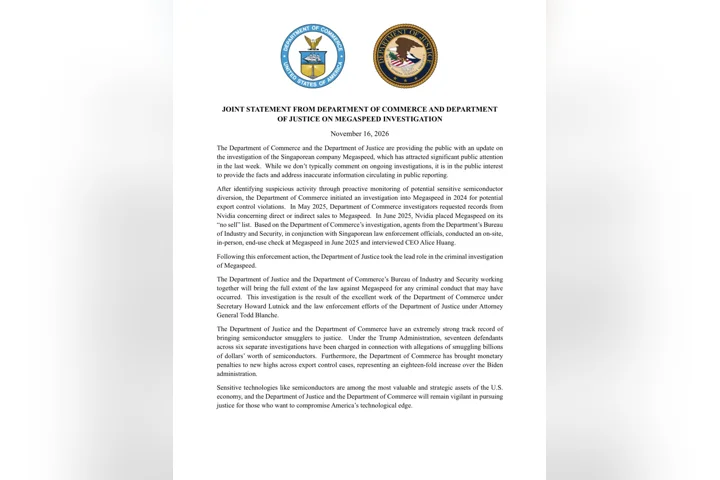
Megaspeed answered on November 15. Alice had left on August 30, 2025, it said, and held no current role. The company defended its business as lawful and said outside lawyers were reviewing the matter. [29]
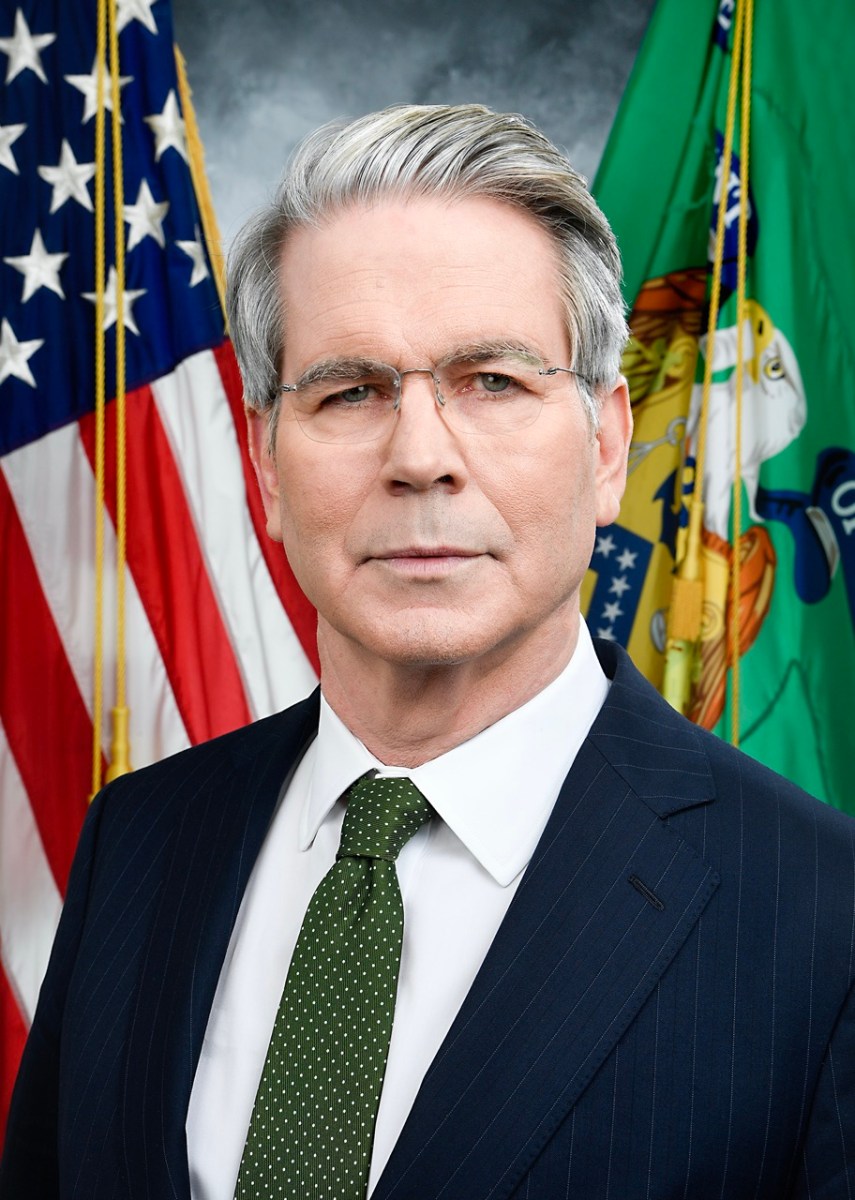
Scott Bessent — official portrait (archival). Photo: The White House.
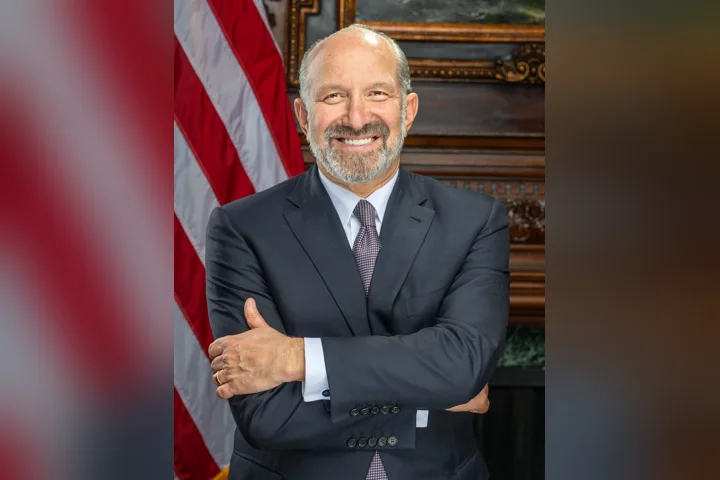
Inside the administration, officials were pointing at one another. Treasury Secretary Scott Bessent said agencies favoured blacklisting Megaspeed but Commerce controlled the decision, Axios reported on November 13. [30]
Two days later, the Treasury secretary was on Fox News’ Sunday Morning Futures, telling Nvidia to “go outside the company” for its next chief executive. “They need a dramatic shakeup,” he said. He wanted compliance answers from the board and its lawyers within ten days. [31]
Trump was moving in the opposite direction. On November 16, he publicly welcomed a possible return. He did not announce a directive to Nvidia’s directors. The president and his Treasury secretary were offering the company starkly different prescriptions. [6][31]
The fear beyond Huang
For Steve Chen, the YouTube co-founder, this was also a story about belonging.
“As an Asian American in the tech space, I’m proud to support Jensen Huang,” he wrote on X on November 15. He described the difficulty of growing up as a minority and the inspiration of watching someone with his background transform an industry. [32]
Chen linked to the reinstatement petition. He spoke of a shared background. Huang’s apology had stressed a different bond: American citizenship.
Huang was born in Taiwan and came to the United States as a child. To supporters discussing his Chinese ancestry, the question was whether his ties to Asia were being judged differently from those of other powerful American executives. [33]
On November 11, the Chinese commentator writing as Tuzhuxi went much further. In a piece carried by Sina Finance, he called the affair a “witch-hunt” and a “political purge,” in translation. He argued that hostility to China, opposition to Trump, demands to curb AI and resentment of technology wealth had converged on one ethnic-Chinese founder. He predicted scrutiny could spread to other people with Chinese connections. [34]
That was the conspiracy account: Huang had become too influential, too close to Trump and too willing to resist Washington’s China hawks. His affair supplied the opening.
Lin Zhang, a University of New Hampshire scholar, posed a narrower question. Why could the same transnational background be celebrated as an advantage one day and treated as a loyalty problem the next? In a November 14 essay, she described Chinese talent as “desirable and disposable.” She also insisted that Huang’s conduct, disclosures and conflicts of interest deserved scrutiny. [33]
The fear had a recent American precedent. On February 23, 2022, Justice Department national-security chief Matthew Olsen abandoned the China Initiative framework. He acknowledged that it had helped create a perception of different treatment for people with Chinese ties. He also warned of a chilling effect on scientists and scholars. [35]
Those memories travelled with the new allegations. They concerned the engineer with a Chinese name, the researcher with relatives abroad and the founder whose customers spanned both sides of the Pacific. The anxiety was that suspicion directed at Huang could spread to people who had done none of the things alleged against him.
Asian-American opinion did not fall into a single camp. Buck Gee of the Committee of 100 gave the Times a blunt verdict: “If I were on the board, I would fire him.” Tom Kagy cited that remark in a November 14 Goldsea commentary examining both the racial backlash and the governance case against Huang. [36]
Gee’s position cut through the forced choice. A Chinese-American leader could face legitimate accountability. Other Chinese Americans could still fear collective suspicion.
The founders mobilise
Huang’s American technology allies were not waiting quietly for the board’s findings.
Asked on X to hire him, Elon Musk replied: “That would be an honor.” He later attacked Nvidia’s board. [37][38]
Podcaster Lex Fridman invoked Steve Jobs. Investor Naval Ravikant stressed Huang’s rare importance. Epic Games’ Tim Sweeney and Shopify’s Tobi Lütke joined the wider wave of support. [39][40][41]
On November 13, investors Brad Gerstner of Altimeter and Gavin Baker of Atreides sent directors a letter. They wanted a slow, deliberate decision that left the door open to Huang’s return. They also recognised Kress’s ability to lead in the meantime and the board’s right to decide once it knew the facts. [42]
The online campaign moved faster. Replit chief executive Amjad Masad helped keep the petition site running under heavy traffic. He added protection against automated entries. The Wall Street Journal identified supporters including former Uber chief Travis Kalanick, Baker, Lütke and Sweeney. [41]
Then an Nvidia researcher objected to the use of his name.
Bryan Catanzaro said he had not signed a purported employee letter. He would not have signed it, he added. His name was circulating. His support was with Kress and the board. [43]
Other defenders challenged the spy account itself. David Sacks attacked the changing narrative. Balaji Srinivasan argued for Huang’s restoration and told Anthony Scaramucci that the story appeared “fake.” Scaramucci opposed a return while investigations continued. [44][45]
The split reached people who admired Huang personally. On PBS’ Firing Line on November 13, AI researcher Geoffrey Hinton said: “I think he’s a decent guy. I think he made a mistake.” He also questioned the concentration of AI power in a handful of men. [46]
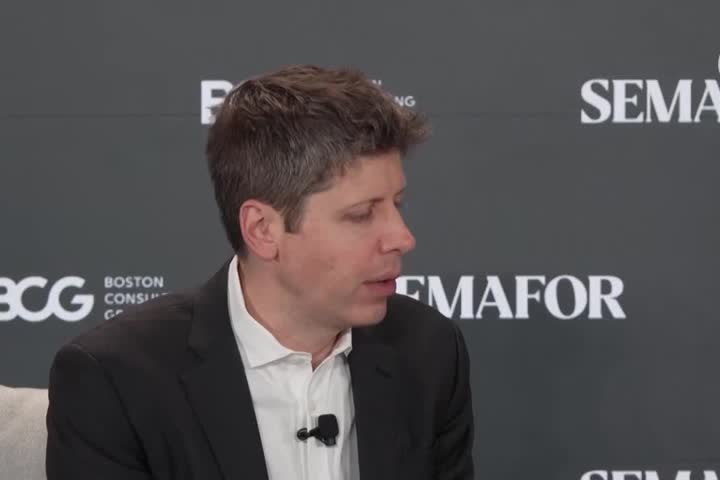
OpenAI chief executive Sam Altman spoke at Semafor’s Silicon Valley event on November 16. Huang had “long been a hero of mine. Heroes have flaws,” he said. Asked whether he should return, Altman declined to judge. [47]
For directors, affection from fellow founders did not answer the question of control. Could the company investigate Huang while depending on his authority to reassure customers? Could it restore him before it knew what its own officers had been told? Could it replace him without losing relationships built over three decades?
The search remained open. Arm chief Rene Haas featured in succession reporting. Trump had publicly suggested Apple’s Tim Cook. Neither had been appointed. [48][49]
On November 16, CNBC reported that directors were focused on the investigation rather than discussing a return. [50]
What Kress inherits
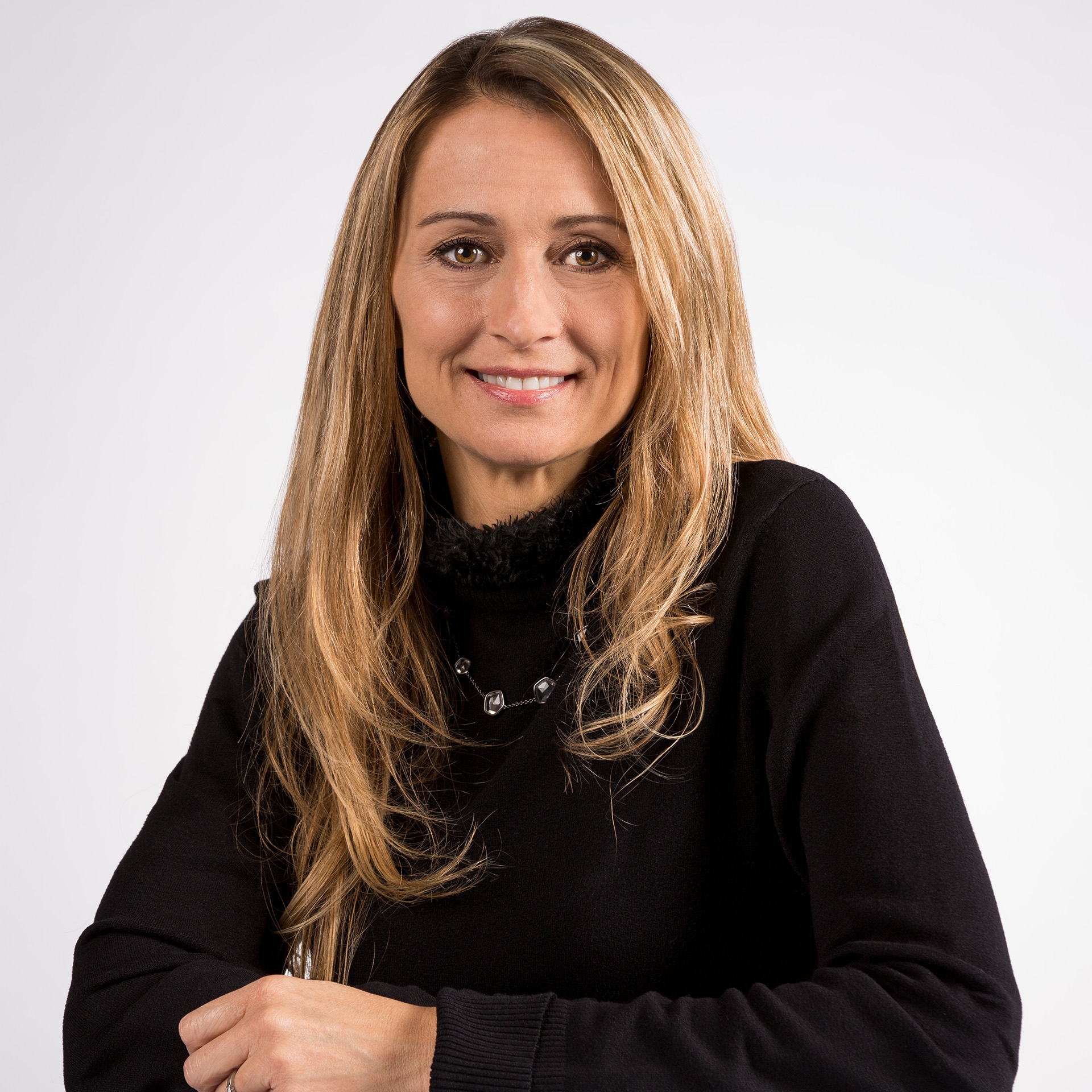
Colette Kress — NVIDIA official press portrait (archival). Photo: NVIDIA.
Kress did not inherit a business waiting to find customers. Nvidia reported $96.2 billion in revenue for the quarter ended July 26, up 106 percent from a year earlier. Data centres generated $89 billion. Its forecast for the following quarter was $108 billion, plus or minus 2 percent. That outlook assumed no China data-centre compute revenue. [51]
Those figures show why the succession fight matters beyond the boardroom. Nvidia’s machines sit inside the data centres being built by cloud operators and rented by AI companies. The money moves through a chain of equipment purchases, leases, computing contracts and financing commitments.
Nvidia’s quarterly filing disclosed $36 billion in AI cloud-service commitments, typically extending over six years. It also described up to $105 billion in capped guarantees signed in August. Those guarantees concerned SB Energy arrangements for an OpenAI affiliate’s leases and power obligations, with phases beginning in fiscal 2029. [52]
These are not two overdue bills. The cloud commitments pay for capacity over time. The guarantees have conditions and triggers. But the connections create a practical test for the new leadership: explain who owes what, when it becomes payable and what happens if an AI customer cannot fund its expansion.
Huang’s personal authority had helped sell confidence in the system. Kress must now supply that confidence through contracts, cash flow and clear accounts. A customer deciding whether to commit billions cannot run its investment plan on a petition.
China presents another test. Nvidia reports geographic revenue by the headquarters of its direct customers. That is not necessarily where the equipment is shipped or where the final user operates. The accounting table cannot trace the journey of an individual chip. [52]
Washington is trying to reach further along that journey. In mid-November, BIS released rule text addressing remote access to American AI technology. The text did not specify an effective date. Cloud capacity abroad had become part of the export-control fight, alongside physical shipments. [53]
Investors were also selling more than Nvidia. On November 16, pressure spread across AI-linked shares, including AMD, Broadcom and CoreWeave. Huang’s departure arrived during a wider reassessment of the industry’s spending and returns. [54]
The next fixed event is on Nvidia’s calendar. Results are scheduled for November 17 at about 1:20 p.m. Pacific, followed by the earnings call at 2 p.m. In Adelaide, that is November 18 at 7:50 a.m. and 8:30 a.m. [5]
Kress will face investors with the founder out of office, the investigation unfinished and the president publicly entertaining his return.
Huang’s allies want the board to keep a chair open. Bessent wants an outsider in it. Congress wants the records.
The company still has chips to ship and a quarter to explain.
Chronology
November 2023 — Megaspeed becomes an Nvidia cloud partner. [7]
February 2025 — Singapore opens its server-declaration inquiry. [8]
24 June 2025 — US post-shipment check; Singapore subsequently interviews Alice and holds her passport. [8]
7 July and September 2025 — Singapore seeks American assistance. [8]
30 August 2025 — Alice leaves Megaspeed, the company later says. [29]
9 October 2025 — The Times publishes its Megaspeed article. [9]
26 February 2026 — Singapore returns Alice’s passport. She leaves that day. [8]
May 2026 — Rubio briefs Trump aboard Air Force One before Huang joins the China-bound party, CNN reports. [10]
26 August 2026 — Nvidia releases July-quarter financial results. [51]
29 October and 6 November 2026 — Public intelligence allegations escalate; reporting on the memo and romantic relationship follows. [1]
8 November — Huang apologises; directors back him while announcing an inquiry. Rubio declines comment in Florida. [2][3][11]
10 November — Independent directors name outside investigators. [16]
11 November — Board accepts Huang’s resignation. Warren and Coons demand preservation of records. [4][26]
12 November — Nvidia announces the leadership change. House chairs renew their interview demand. [5][22]
13 November — Gerstner and Baker send their letter; Reuters details the internal messages. [42][9]
14 November — Zhang’s essay and Kagy’s commentary examine ethnicity and accountability. [33][36]
15 November — Megaspeed issues its statement; Bessent demands outside leadership. [29][31]
16 November — Trump welcomes a possible return; Altman expresses sympathy without endorsing reinstatement. [6][47]
17 November US time — Scheduled quarterly results; 18 November morning in Adelaide. [5]
The people and their roles
Nvidia and its business relationshipsJensen Huang — Co-founder and former president, chief executive and director. Colette Kress — Interim chief executive and continuing finance chief. Harvey C. Jones — Board chair. [4]
Tim Teter — General counsel. Alison Wagonfeld — Marketing chief. Both feature in the internal-disclosure account. [9]
Kimberly Powell — Healthcare executive named in the relationship reporting. Madison Huang — Daughter and chief of staff. Risa Heller — Crisis communications adviser. [1]
Alice Huang or Huang Le — Former Megaspeed executive. Kang Wei — Her husband and business associate. [7][29]
Joon H. Kim and Wachtell Lipton — Independent directors’ investigators. Paul Weiss — Huang’s reported legal counsel. [16][17]
Rene Haas — Arm chief executive discussed in succession reporting. Tim Cook — Apple chief executive suggested by Trump. [48][49]
Government and CongressDonald Trump — President. Scott Bessent — Treasury secretary seeking outside leadership and compliance answers. Howard Lutnick — Commerce secretary sought as a congressional witness. [6][31][24]
Marco Rubio — Secretary of state and national security adviser; circulated the intelligence memo. Todd Blanche — Attorney general; said the espionage allegation remained unresolved. [10][13]
John Moolenaar, Brian Mast and Rick Crawford — House committee chairs seeking Huang’s testimony. Tim Scott — Senate Banking chair seeking testimony. [22][25]
Jim Himes — Intelligence Committee Democrat. [15]
Elizabeth Warren and Chris Coons — Senators demanding record preservation. Stephen Miller — White House chief of staff and a recipient of their letter. [26]
Ron Wyden and Richard Neal — Leading the tax and export inquiry. Chuck Schumer — Demanding answers after the resignation. Jack Reed — Seeking assessment of Nvidia’s financial significance. [27][55][56]
Mike Johnson and John Thune — Congressional leaders discussing tighter export controls. [57][58]
Mao Ning — Chinese foreign ministry spokesperson rejecting the spy allegation. K Shanmugam — Singapore minister associated with the official investigation account. Anwar Ibrahim — Malaysian prime minister commenting on his country’s chip-related inquiry. [14][8][59]
The public argumentBrad Gerstner and Gavin Baker — Investor-letter signatories. Amjad Masad — Replit chief executive who helped run the petition site. Travis Kalanick, Tobi Lütke and Tim Sweeney — Prominent campaign supporters. [42][41]
Bryan Catanzaro — Nvidia researcher who disavowed an unauthorised letter bearing his name. [43]
Elon Musk, Lex Fridman and Naval Ravikant — Public defenders. Aravind Srinivas — Offered public appreciation. [37][39][40][60]
Sam Altman and Geoffrey Hinton — Expressed personal sympathy with qualifications. Steve Schlafman and Jim Cramer — Stressed standards of conduct. [47][46][61][62]
Balaji Srinivasan, David Sacks and Shaun Maguire — Challenged the allegations or the case for removal. Anthony Scaramucci — Opposed a return during the investigations. [45][44][63]
Bill Ackman and Clément Delangue — Early public commentators on Huang and Nvidia’s future. [64][65]
Steve Chen — YouTube co-founder supporting Huang as an Asian-American role model. Lin Zhang — Scholar examining the relationship between economic value and belonging. Tuzhuxi — Chinese commentator advancing the political-purge interpretation. Tom Kagy — Goldsea commentator weighing race and governance. Buck Gee — Committee of 100 figure arguing for removal. [32][33][34][36]
Source notes
[1] New York Times reconstruction of the Huang disclosures and resignation
16 November 2026 republication. New York Times credited republication not independent corroboration.
8 November 2026. Jensen Huang employee message published by Nvidia.
8 November 2026. Company primary statement.
[4] Nvidia Form 8 K reporting the November 11 board decisions
12 November 2026 filing with 11 November event date. Nvidia securities filing Item 5 02.
[5] Nvidia announces CEO transition
12 November 2026. Company primary statement.
[6] Trump says he would not mind Huang being reinstated
16 November 2026. Reuters credited republication.
[7] A mystery businessman introduced Jensen Huang to his paramour It was her husband
12 November 2026. Wall Street Journal credited republication.
[8] Singapore investigations into Alice Huang and Megaspeed
November 2026. Government primary statement.
[9] Ex Nvidia CEO misled top lawyer on affair with Chinese businesswoman sources say
13 November US dateline with 14 November URL. Reuters original reporting and reviewed internal messages.
[10] Intelligence intercepts sparked classified Rubio memo
13 November 2026. CNN reporting by Natasha Bertrand Kylie Atwood Katie Bo Lillis and Kevin Liptak.
[11] Marco Rubio remarks at Homestead Air Reserve Base
8 November 2026. US Department of State transcript republished by Public.
[12] Behind Jensen Huangs spy scandal a shadow war for Trumps ear on China
13 November 2026. Washington Post anonymous source reporting underlying memo unavailable.
[13] DOJ has not concluded Alice Huang was a Chinese spy Blanche says
12 November 2026. Reuters reporting of official remarks.
[14] Chinese foreign ministry regular press conference
12 November 2026. Government primary transcript.
[15] Jim Himes Face the Nation transcript
15 November 2026. Original interview transcript.
[16] Statement from independent members of the Nvidia board
10 November 2026. Company primary statement.
[17] Nvidia appoints CFO Colette Kress as interim CEO after Huang exit
13 November 2026 republication. Reuters credited republication including Paul Weiss engagement.
[18] Former Nvidia CEO had relationship with second employee sources say
12 November 2026. Reuters reporting.
[19] Shareholder lawsuit follows Huang disclosures
10 November 2026 reporting of 9 November filing. Associated Press reporting of civil allegations.
[20] Vanegas derivative complaint
11 November 2026. Filed civil complaint not adjudicated findings.
[21] US Justice Department probes Nvidia
12 November 2026. Attributed reporting of separate antitrust inquiry.
[22] House chairs send second request for Huang and Nvidia to brief Congress
12 November 2026. Congressional primary release and letter.
[23] Face the Nation full transcript
15 November 2026. Original broadcast transcript.
[24] Commerce Secretary Lutnick to testify amid pressure over Nvidia scandal
13 November 2026. NBC reporting.
[25] Senate Banking chairman calls on Huang and Lutnick to testify
12 November 2026. Reuters reporting.
[26] Warren and Coons direct officials to preserve Nvidia records
11 November 2026. Congressional primary release and letter.
[27] Wyden and Neal letter concerning Nvidia
12 November 2026. Congressional primary document allegations not findings.
[28] Banned Nvidia chips installed at China data center linked to Alice Huang
13 November 2026. Document based reporting.
[29] Megaspeed says Alice Huang left company in August 2025
15 November 2026. Reuters reporting of company statement.
[30] Bessent Lutnick and Megaspeed blacklist decision
13 November 2026. Axios reporting of official remarks.
[31] Bessent says Nvidia must look outside for new CEO
15 November 2026. Reuters credited republication.
[32] Steve Chen on Asian American identity and support for Huang
14 November California time or 15 November UTC. Original public post.
[33] Lin Zhang on Huang and the position of Chinese Americans
14 November 2026 essay republished 16 November. Signed commentary credited republication by US China Perception Monitor.
[34] Tuzhuxi on Huang as the first domino
11 November 2026. Signed Chinese language commentary republished by Sina Finance.
[35] Matthew Olsen on countering nation state threats and the China Initiative
23 February 2022. Justice Department speech.
[36] Tom Kagy on Sinophobia and the governance case against Huang
14 November 2026. Goldsea signed commentary quoting Buck Gee speaking to the New York Times.
[37] Elon Musk original reaction to Huang exit
November 2026. Original public reaction.
[38] Musk original criticism of Nvidia board
14 November 2026. Original public opinion.
[39] Lex Fridman original reaction
November 2026. Original public opinion.
[40] Naval Ravikant original reaction
November 2026. Original public opinion.
[41] The campaign to bring back Jensen Huang as Nvidia CEO
16 November 2026 republication. Wall Street Journal credited republication.
[42] Brad Gerstner original post and signed investor letter
13 November 2026 US time. Original public letter.
[43] Bryan Catanzaro original correction and statement of support
13 November 2026 UTC. Original public post.
[44] David Sacks original criticism of the narrative
November 2026. Original public opinion.
[45] Balaji and Scaramucci original exchange
15 November 2026. Original public disagreement not investigative finding.
[46] Geoffrey Hinton on Firing Line
13 November 2026. Original video and transcript.
[47] Altman says he has personal empathy for Huang
16 November 2026. Reported interview.
[48] Nvidia CEO replacement search
13 November 2026. CNBC reporting including response to FT succession report.
[49] Trump original public suggestion concerning Tim Cook
12 November 2026. Original presidential public statement.
[50] Nvidia board focused on investigation rather than Huang return
16 November 2026. CNBC attributed reporting not formal permanent board prohibition.
[51] Nvidia Q2 fiscal 2027 financial results
26 August 2026. Company primary financial disclosure.
[52] Nvidia Q2 fiscal 2027 Form 10 Q
Quarter ended 26 July 2026. Primary filing printed pages 19 and 23 for cited disclosures.
[53] BIS issues rule addressing remote access to American AI technology
Mid November 2026. Government primary release and rule text effective date not completed in reviewed version.
16 November 2026. Associated Press market reporting.
[55] Chuck Schumer original call for further answers
November 2026. Original public political statement.
[56] Jack Reed seeks assessment of Nvidia financial significance
12 November 2026. Reuters reporting.
[57] Speaker Johnson discusses limiting chip exports
November 2026. Attributed reporting.
[58] Thune sees high probability of tighter export controls
12 November 2026. Reported legislative outlook not enacted legislation.
[59] Malaysia examines chip related allegations
13 November 2026. Bernama reporting of official remarks.
[60] Aravind Srinivas original reaction
November 2026. Original public reaction.
[61] Steve Schlafman on conduct and talent
November 2026. Original public opinion.
[62] Jim Cramer on standards of conduct
November 2026. Original public opinion.
[63] Shaun Maguire original reaction endorsed by Musk
8 November 2026. Original public exchange opinion on intent.
[64] Bill Ackman original reaction
8 November 2026. Original public opinion.
[65] Clement Delangue original reaction
November 2026. Original public opinion.

Checking account…
Loading comments…