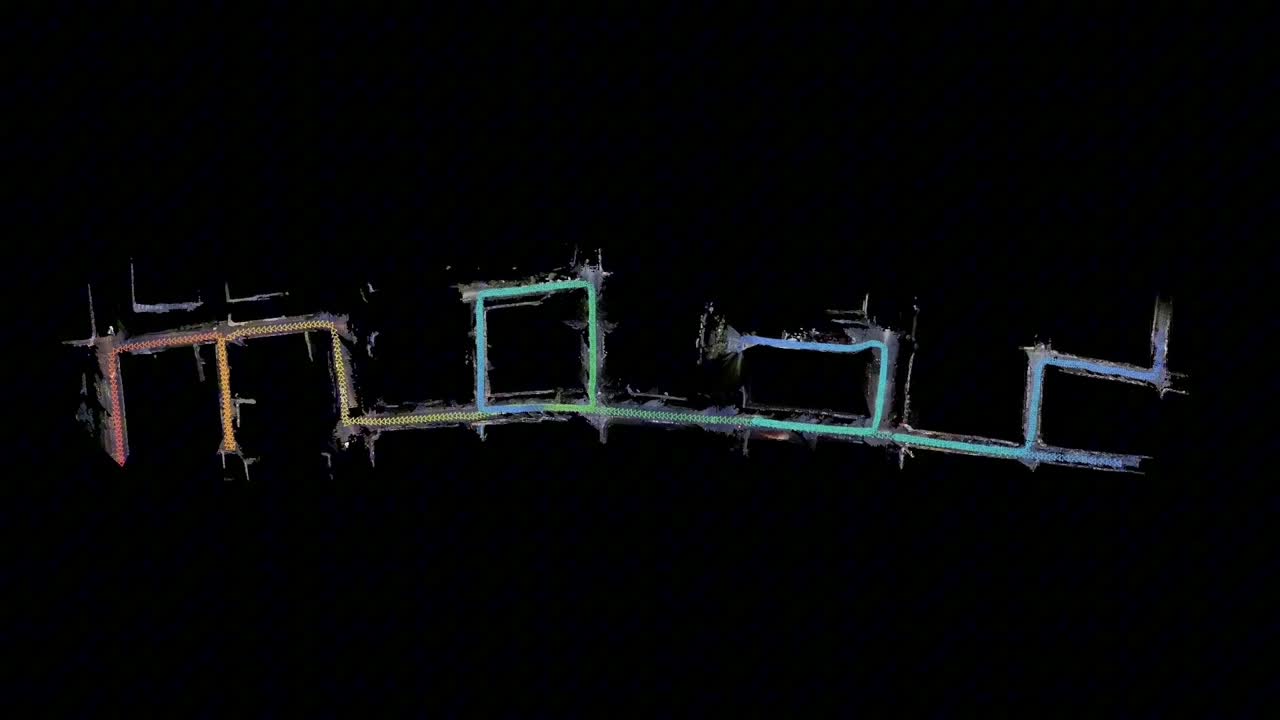
Robbyant published downloadable LingBot-Map 2.0 Base Streaming weights for building 3D maps as camera frames arrive. The checkpoint is licensed for noncommercial use and covers the live mapping stage.
Checking account…
Loading comments…
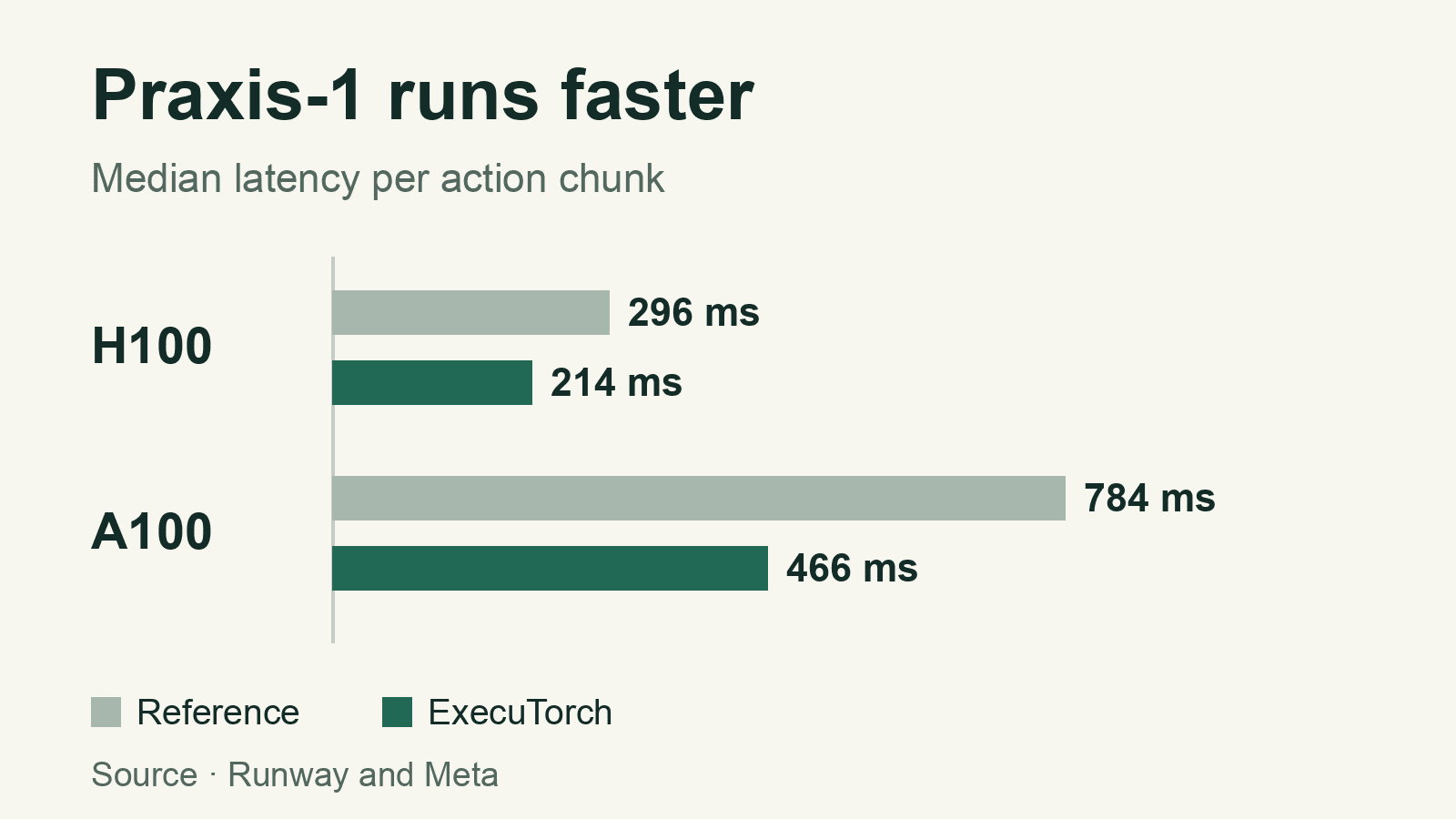
Runway and Meta got the open-weight Praxis-1 robotics model running on ExecuTorch with NVIDIA TensorRT. In their tests, median latency fell from 784 ms to 466 ms per action chunk on an A100, with similar accuracy.
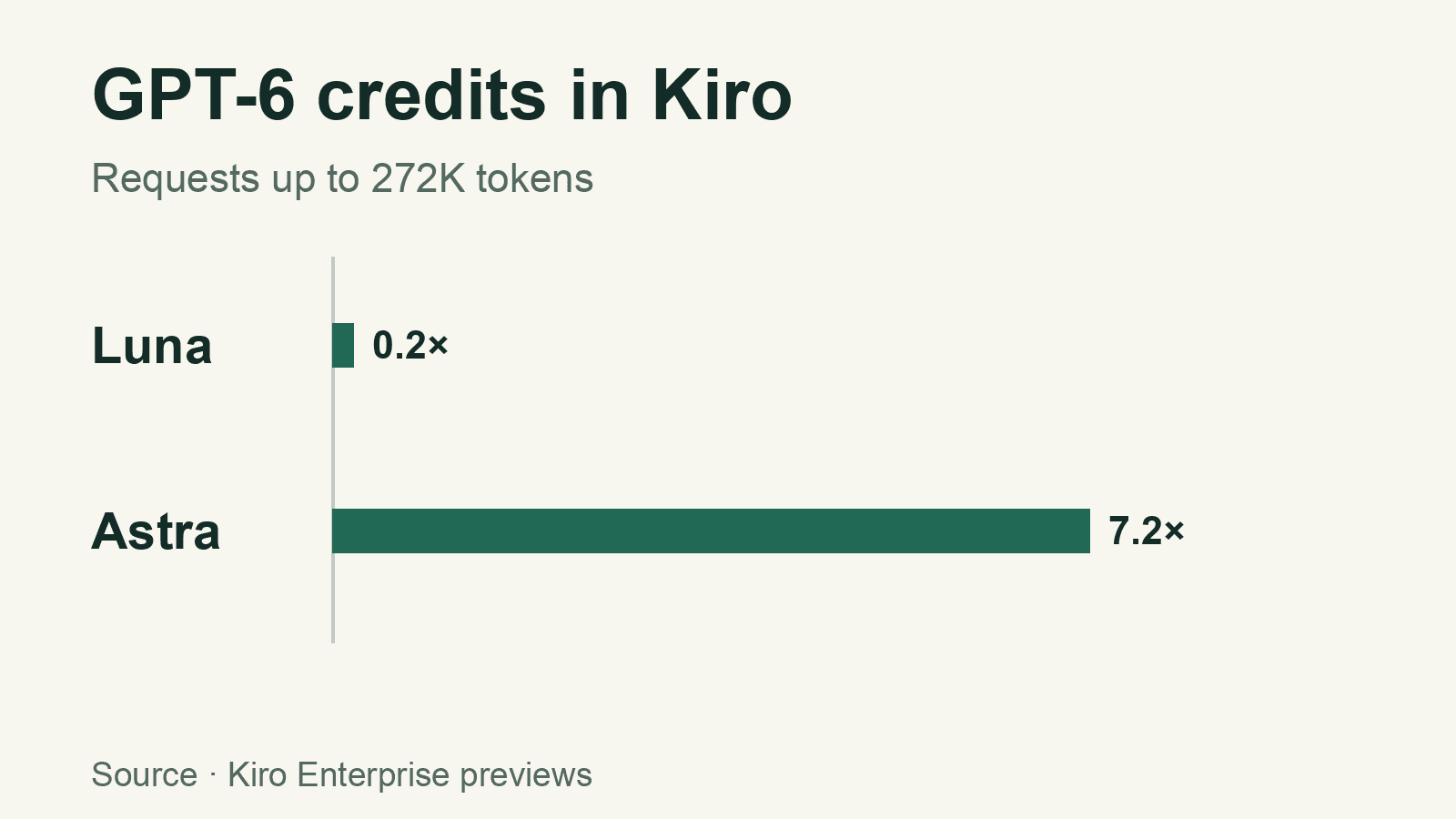
Kiro Enterprise is rolling out GPT-6 Luna in a limited U.S. preview. For requests up to 272K tokens, Luna uses 0.2× Kiro credits versus 7.2× for the GPT-6.2 Astra preview. Both have 1M-token context.
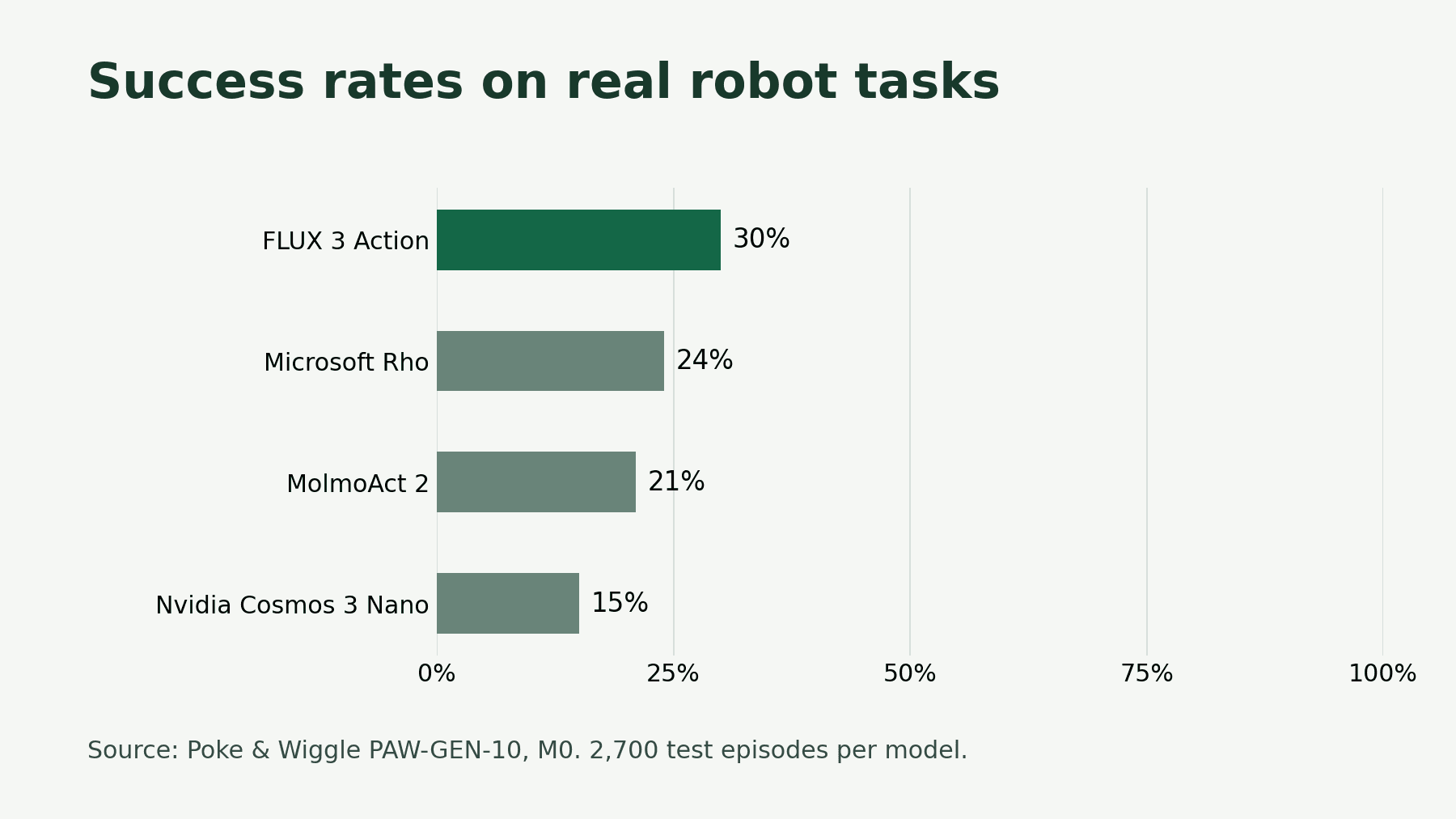
Black Forest Labs’ FLUX 3 Action led Poke & Wiggle’s physical robot benchmark at 30% success, ahead of Microsoft’s Rho at 24%. The evaluator fine-tuned both models for the tasks and ran 2,700 test episodes per model.
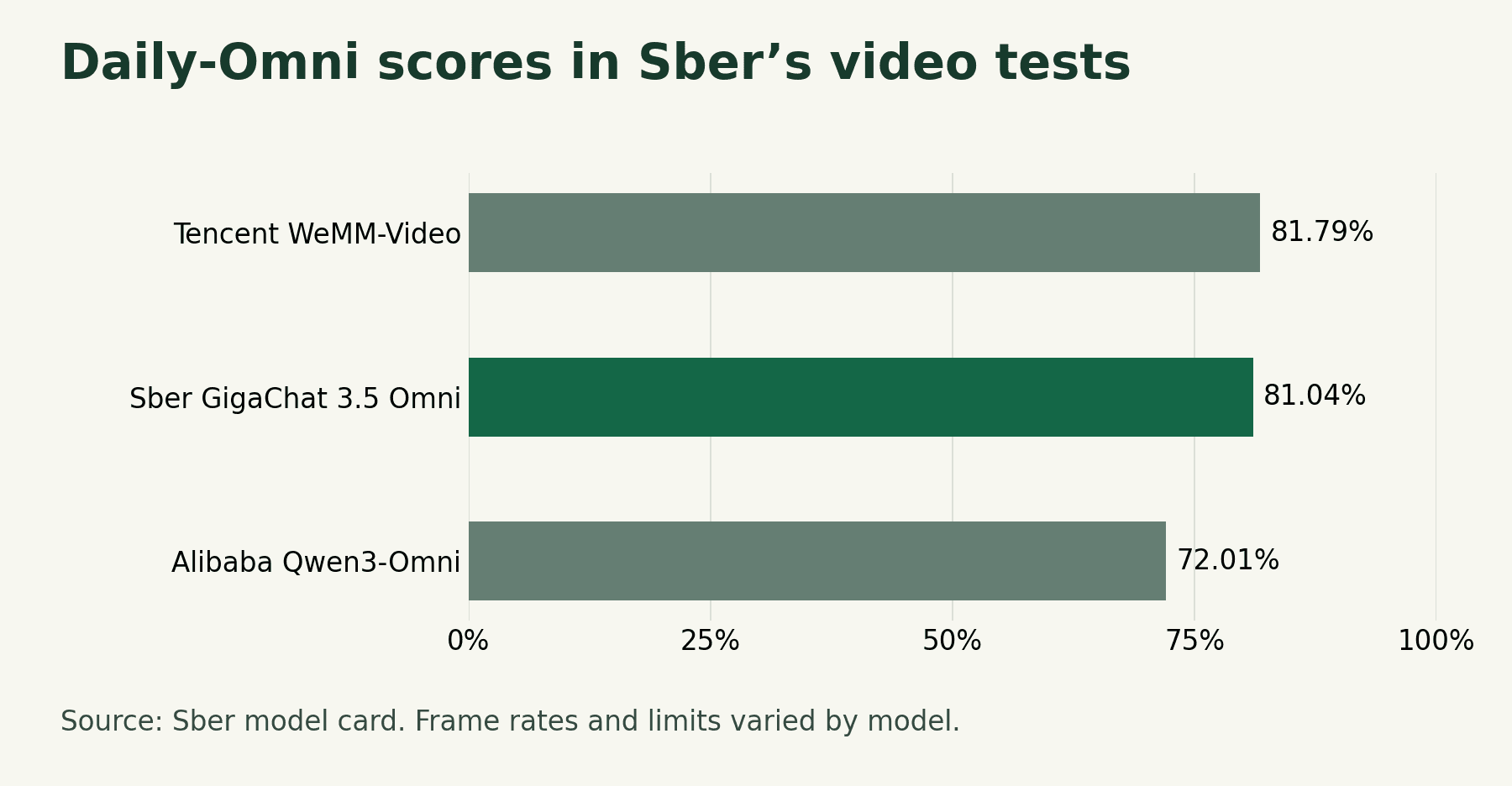
Sber opened the weights for GigaChat 3.5 Omni, which adds images, audio and video with sound to the text-only Ultra. On Sber’s Daily-Omni test it scored 81.04%, ahead of Qwen3-Omni at 72.01% and just behind Tencent’s WeMM-Video at 81.79%.
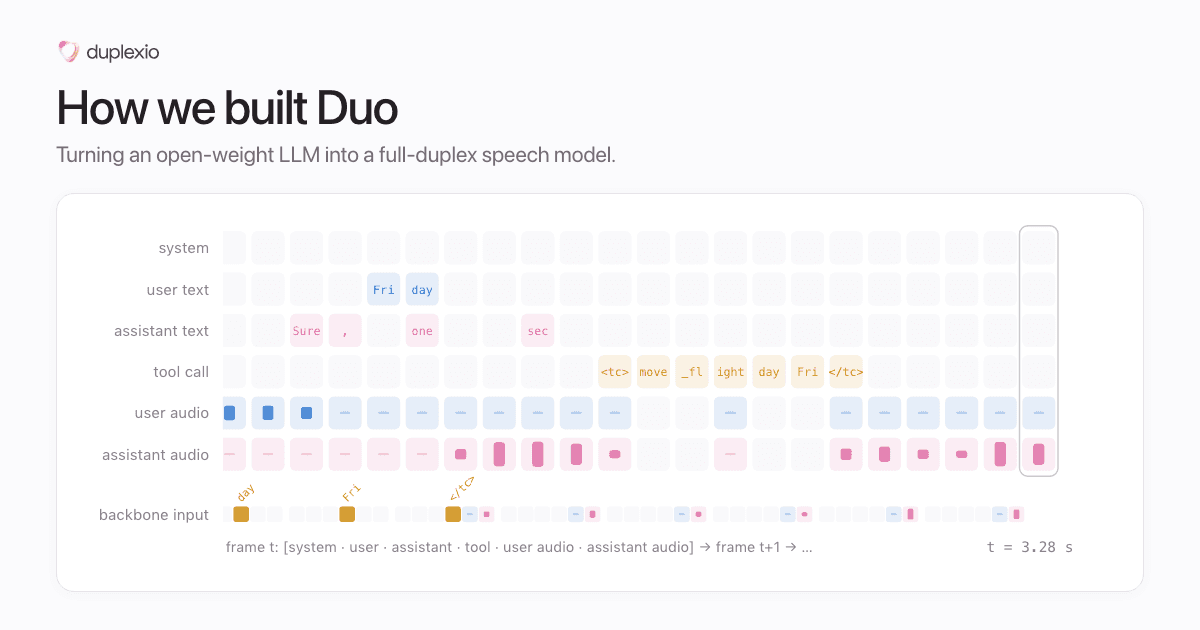
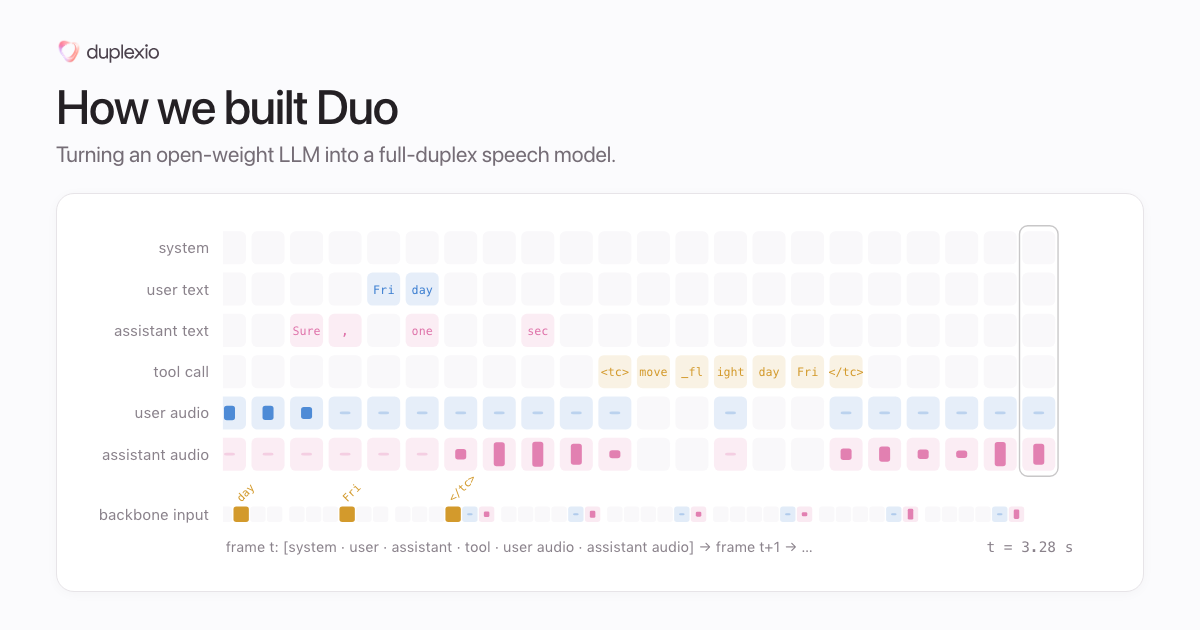
Duplexio adapted Qwen3.5-4B into Duo, a voice model that can listen and speak at the same time and call tools mid-conversation. The company says an open-weight preview and benchmarks are coming.
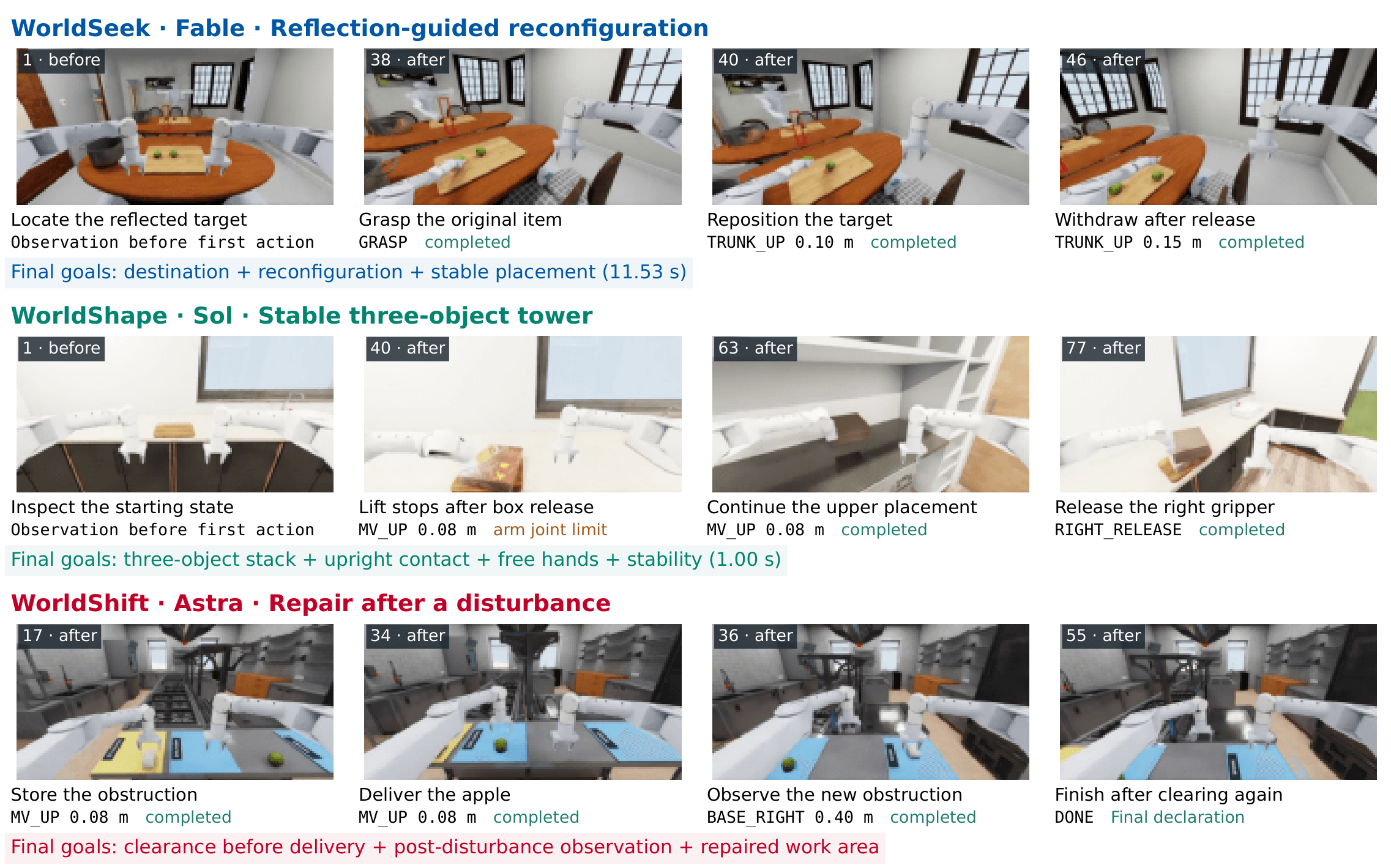
In a National University of Singapore benchmark, Claude Fable 5.2 led 13 AI systems but completed just 13 of 60 simulated robot tasks. Across eight vision-language models, the robots met the full goal in 41 of 480 attempts.
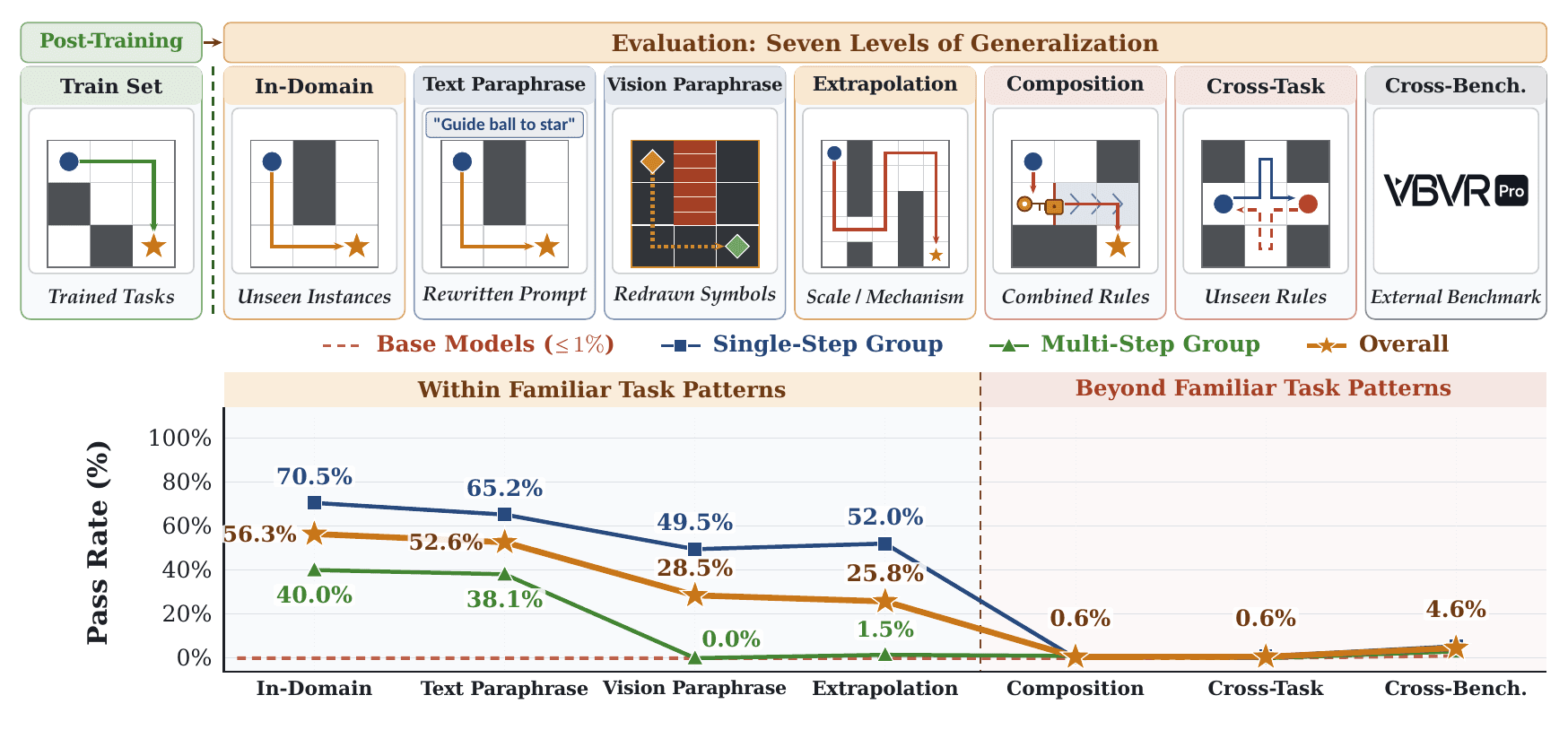
OpenMOSS released VideoGym-LTX-2.3. In the team’s tests, training took the video model from 0% to 56% on familiar visual reasoning tasks, but it solved fewer than 1% of tasks with unseen rules.
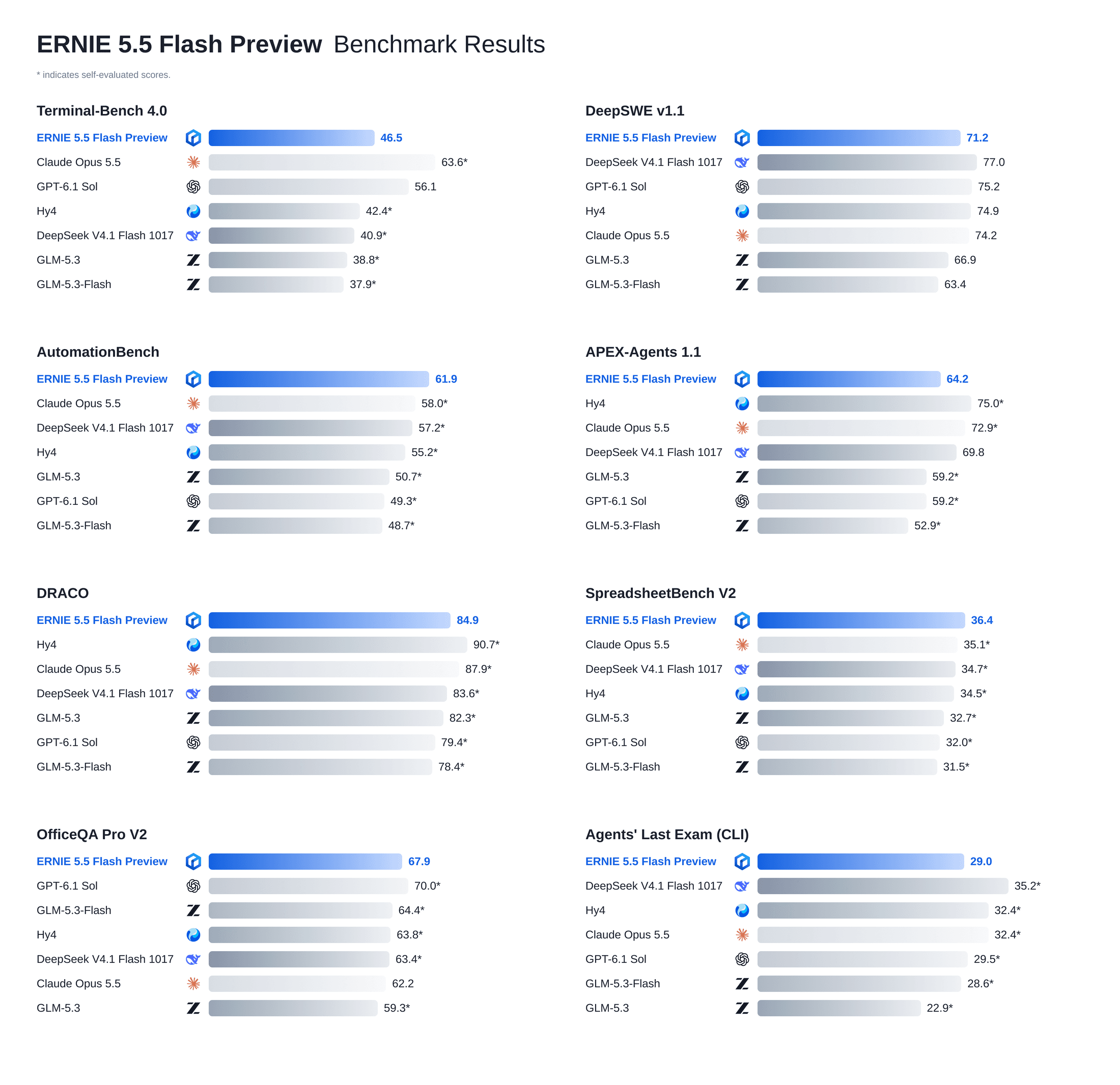
Baidu released ERNIE 5.5 Flash Preview’s weights under Apache 2.0. The 280-billion-parameter coding model activates 14 billion per token, and Baidu says post-training is still underway.
Ant Group released two MIT-licensed LingSante medical AI models: Air-VL handles text, images and video, while Flash supports a million-token context for medical research. The Flash model card limits it to research and evaluation.
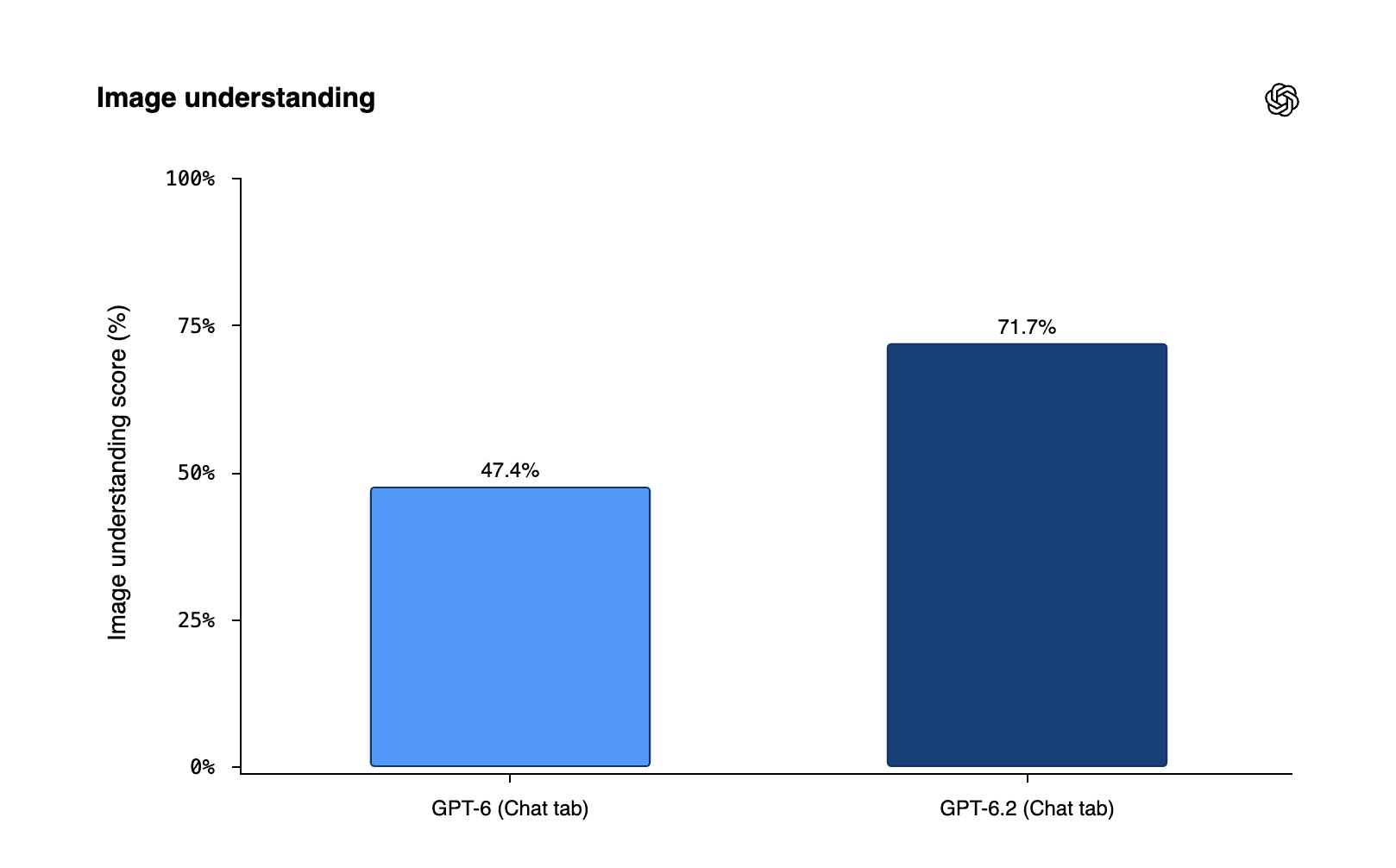
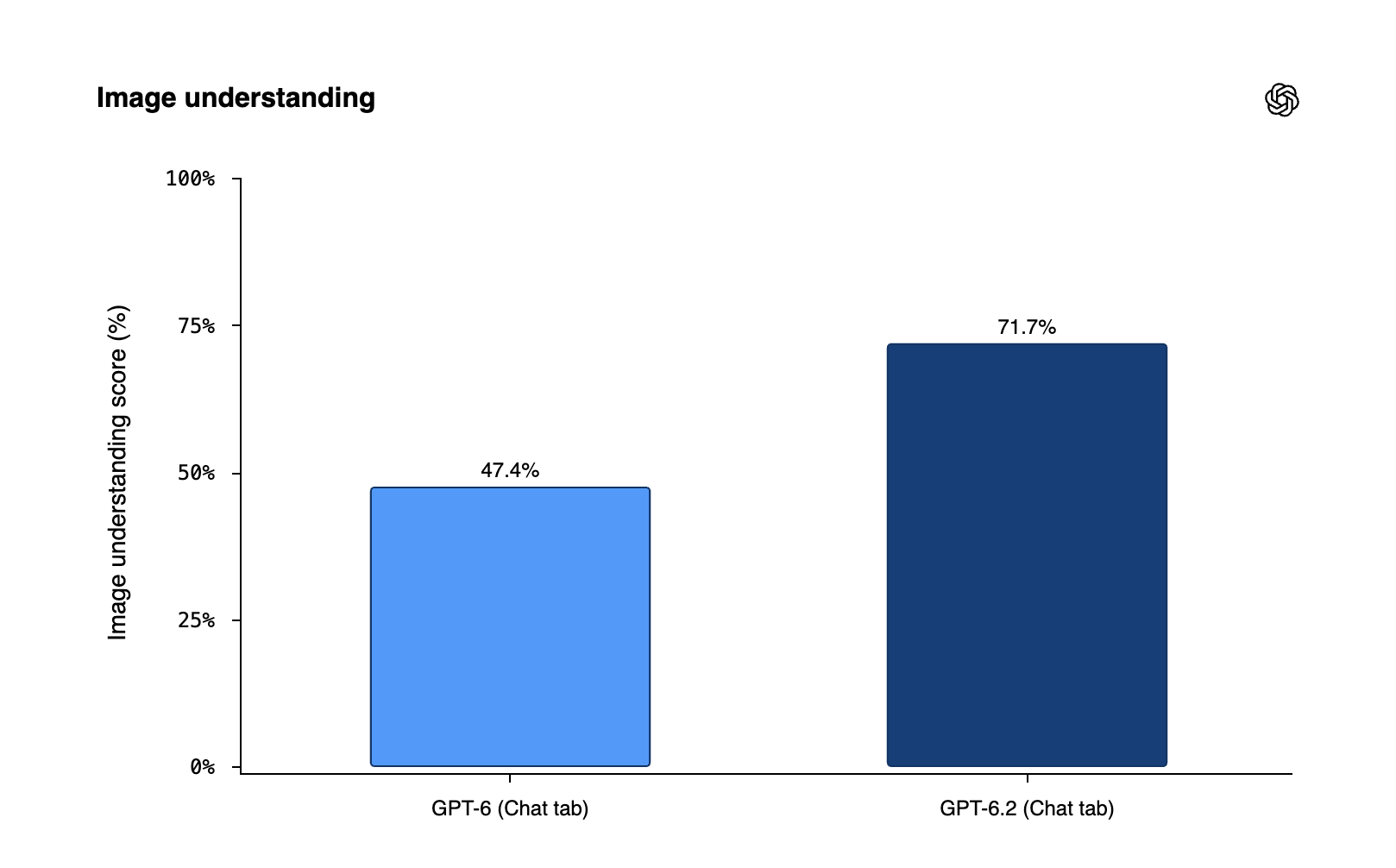
OpenAI is rolling out GPT-6.2 Sol in ChatGPT’s Chat tab for Plus, Pro, Business and Enterprise users, reporting 71.7% on its image-understanding test, up from 47.4% for GPT-6.
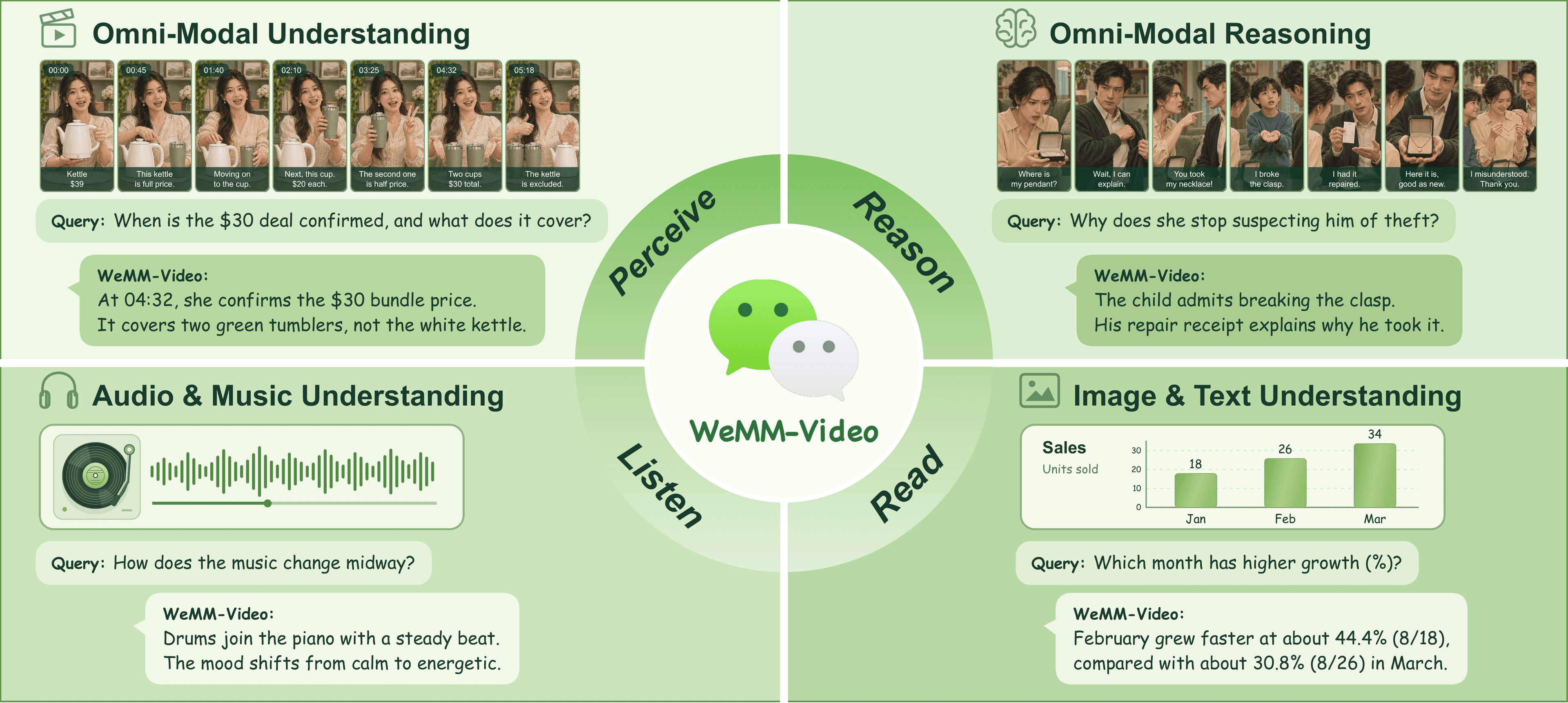
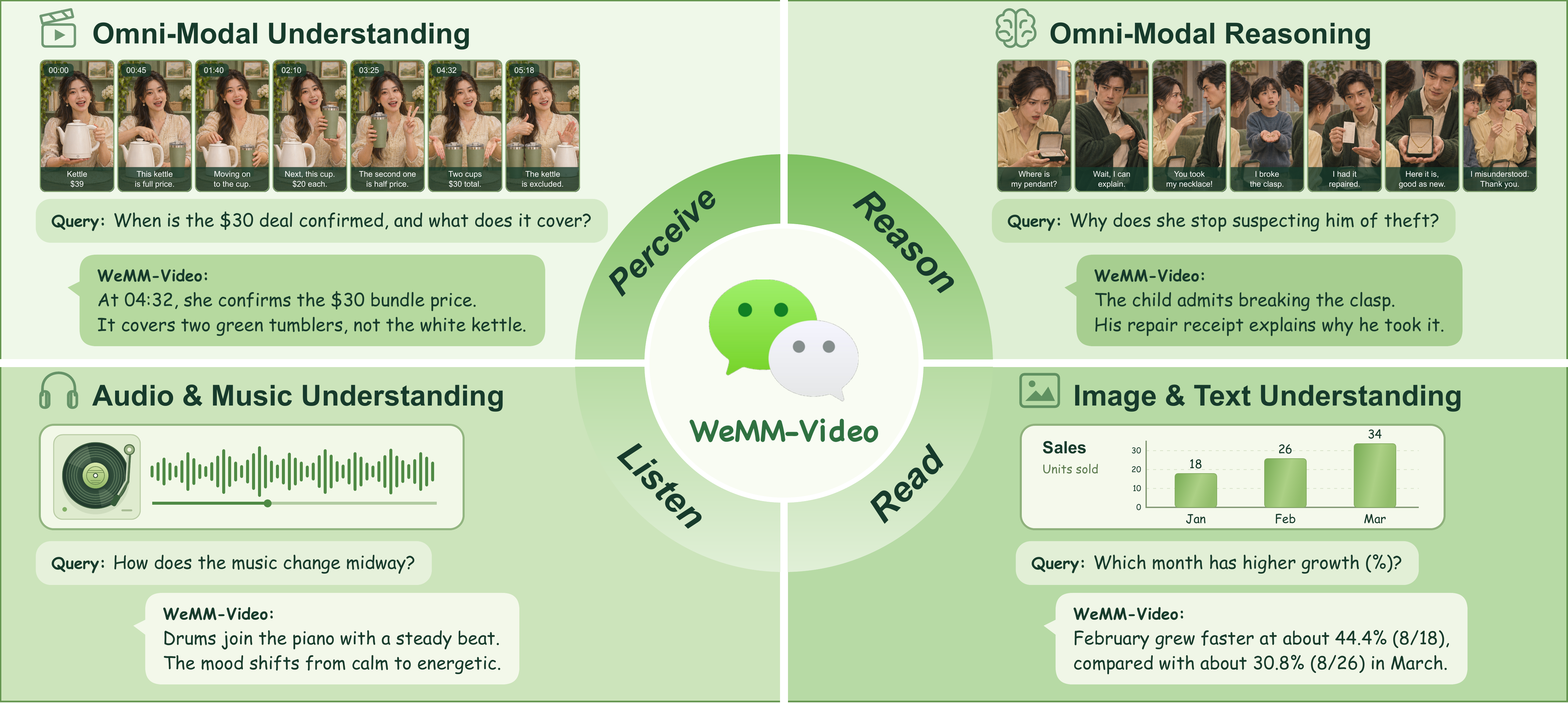
Tencent released four WeMM-Video models that can answer questions about both the picture and the soundtrack. In one example, the model identifies when a seller agrees to $30 and which two items the price covers.
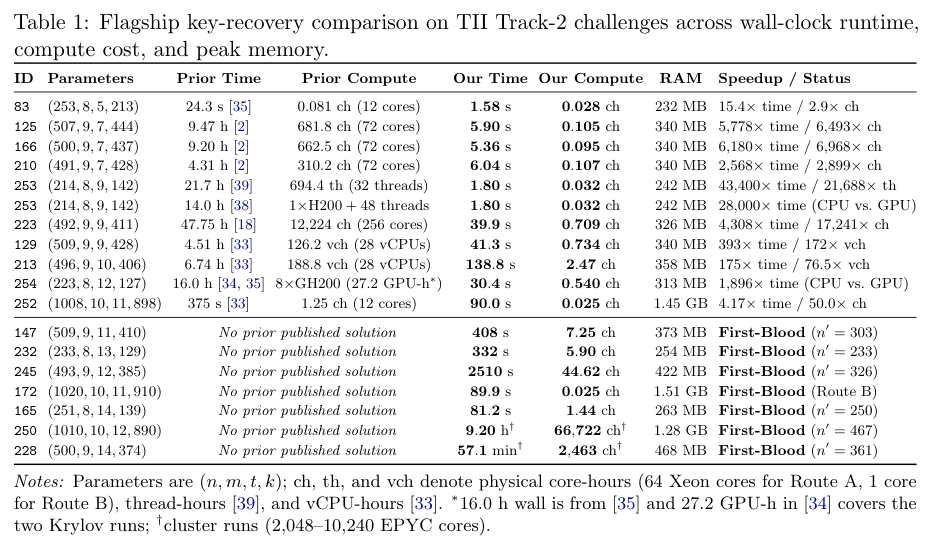
MiniMax says its internal AI model solved 55 previously unsolved McEliece cryptography challenges and released reports and reproduction code. The research targets academic designs and challenge parameters; it “does not affect deployed cryptographic standards.”
Full Kimi K3.1 Pro weights are public on Hugging Face: 2.8T parameters and 1M context. Its custom licence requires a separate deal for external commercial use by model-service groups above $20m revenue in any 12 months.
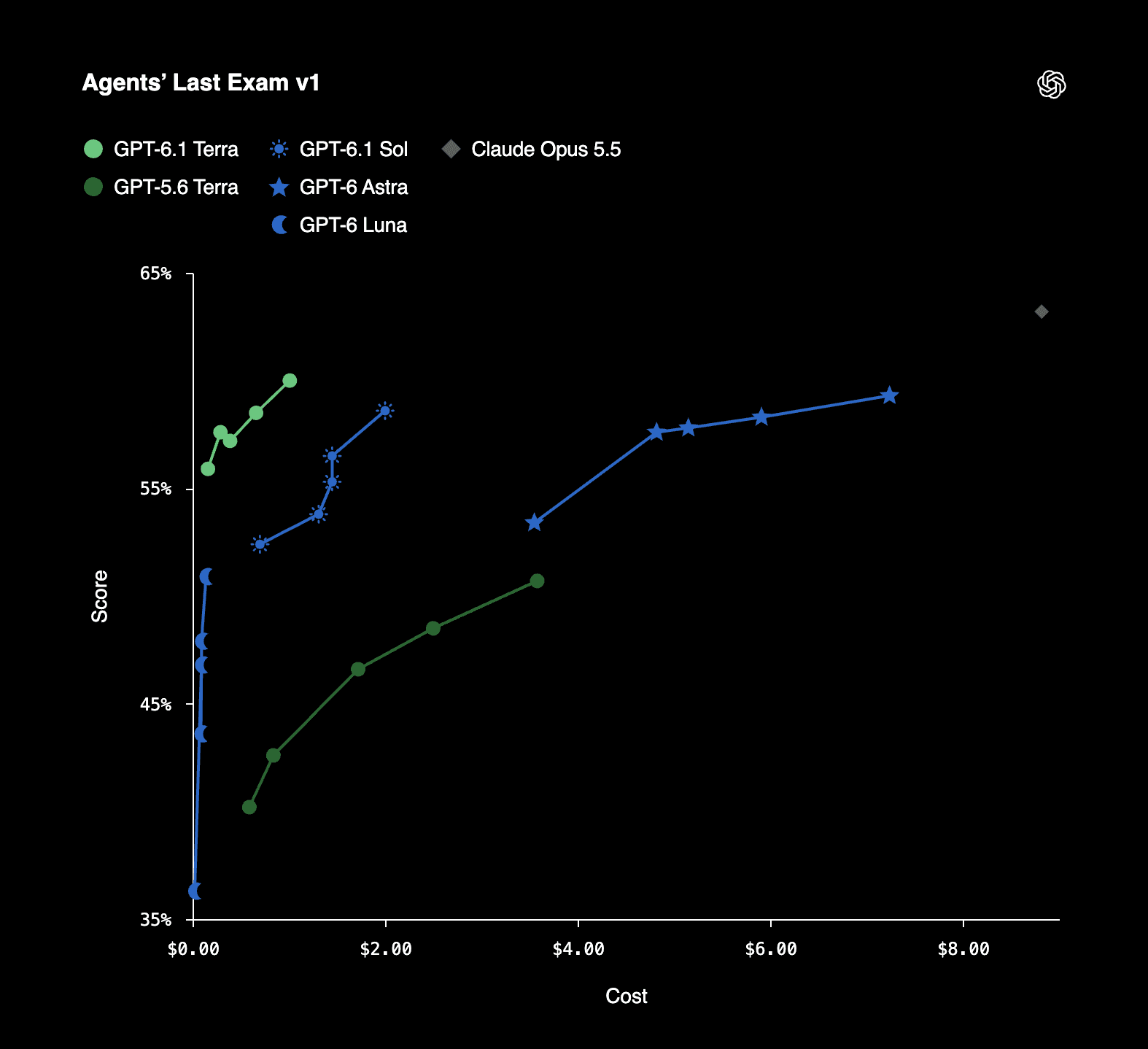
GPT-6.1 Terra launches at $1 per million input tokens and $5 per million output tokens—half the standard API prices of GPT-5.6 Terra and GPT-6.1 Sol. You wanted your computer to do the boring work; OpenAI would also like the invoice to stop being the exciting part. At medium reasoning effort, the company reports a 15-percentage-point gain over 5.6 Terra on Agents’ Last Exam at about one-third the task cost. Those are vendor results, not our independent test. Terra is available in ChatGPT Work and Codex for Plus, Pro, Enterprise and Edu, and through the API. Some replies to Tibo’s announcement want an Opus 5.5 challenger instead. OpenAI still points complex coding users toward Sol or Astra. This launch’s flex is cheaper useful work. The benchmark trophy can wait; accounts payable has entered the chat.
Kimi K3.1 Pro and Highspeed launch across Kimi’s apps and API with a 1M-token context window; full weights are promised by November 4.
Latest Live news




Checking account…
Loading comments…